Enjoying Holiday Meals Without Overdoing It
Enjoy holiday meals without overdoing it: eat normally that day, scan the spread first, savor your favorites, go easy on drinks and handle leftovers safely.
On this page
You can enjoy holiday meals fully without feeling stuffed afterward. Eat normally earlier in the day, look over everything before filling your plate, choose the dishes you truly love, leave room on the plate for vegetables, and go easy on drinks. A holiday dinner is one meal among many, so the aim is enjoyment and comfort, not perfection.
Don’t “save up” all day
It’s tempting to skip breakfast and lunch to make room for a big dinner. In practice, arriving ravenous usually means eating fast and well past the point of comfort.
A better approach:
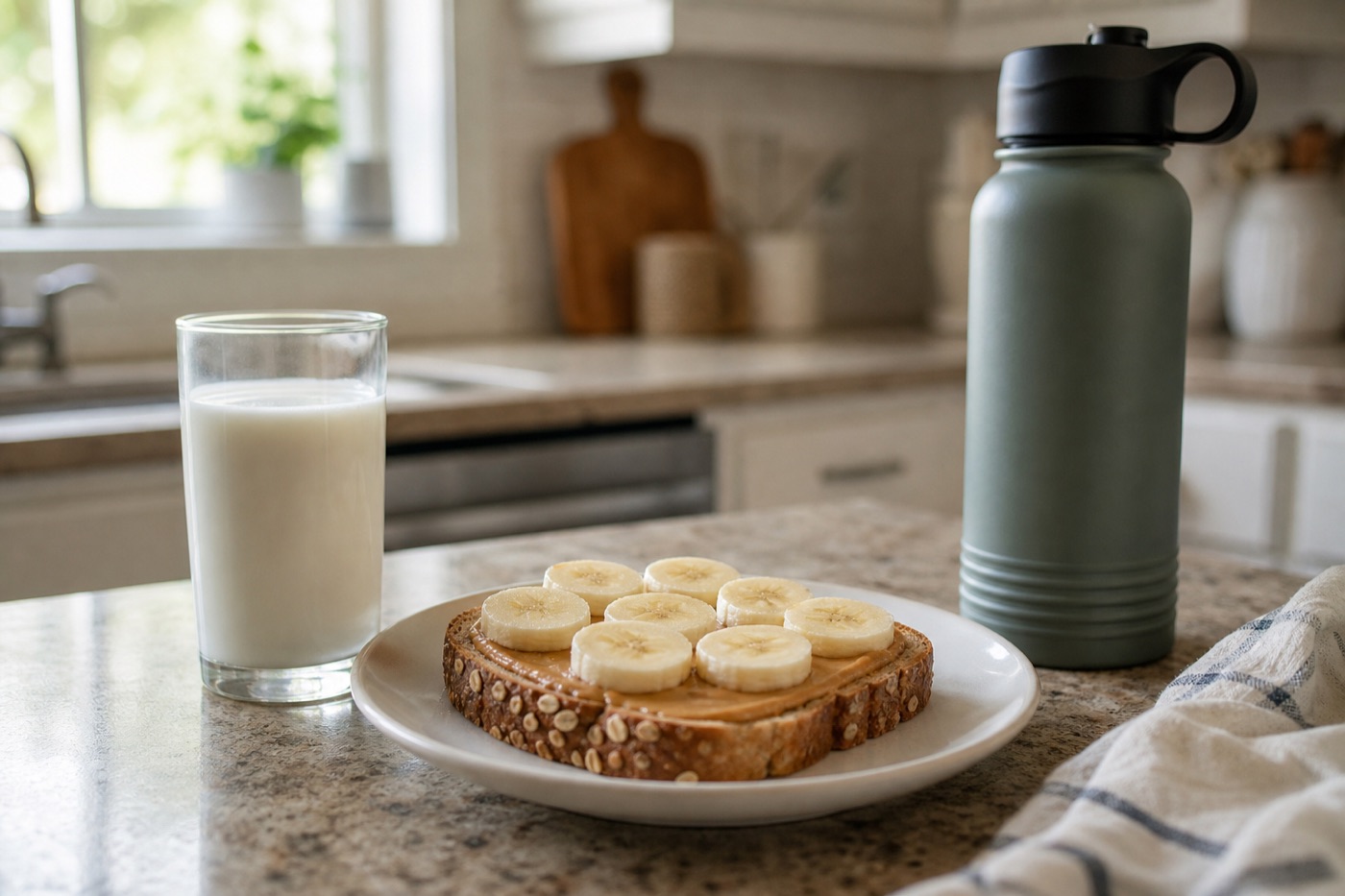
- Have your usual breakfast, ideally with some protein, such as eggs, yogurt or oatmeal with nuts.
- Eat a light lunch or a snack in the afternoon, such as fruit with cheese or a small bowl of soup.
- Drink water through the day, especially if you’re cooking in a warm kitchen.
You’ll sit down hungry but not desperate, which makes it far easier to savor each dish.
Survey the spread, then fill your plate
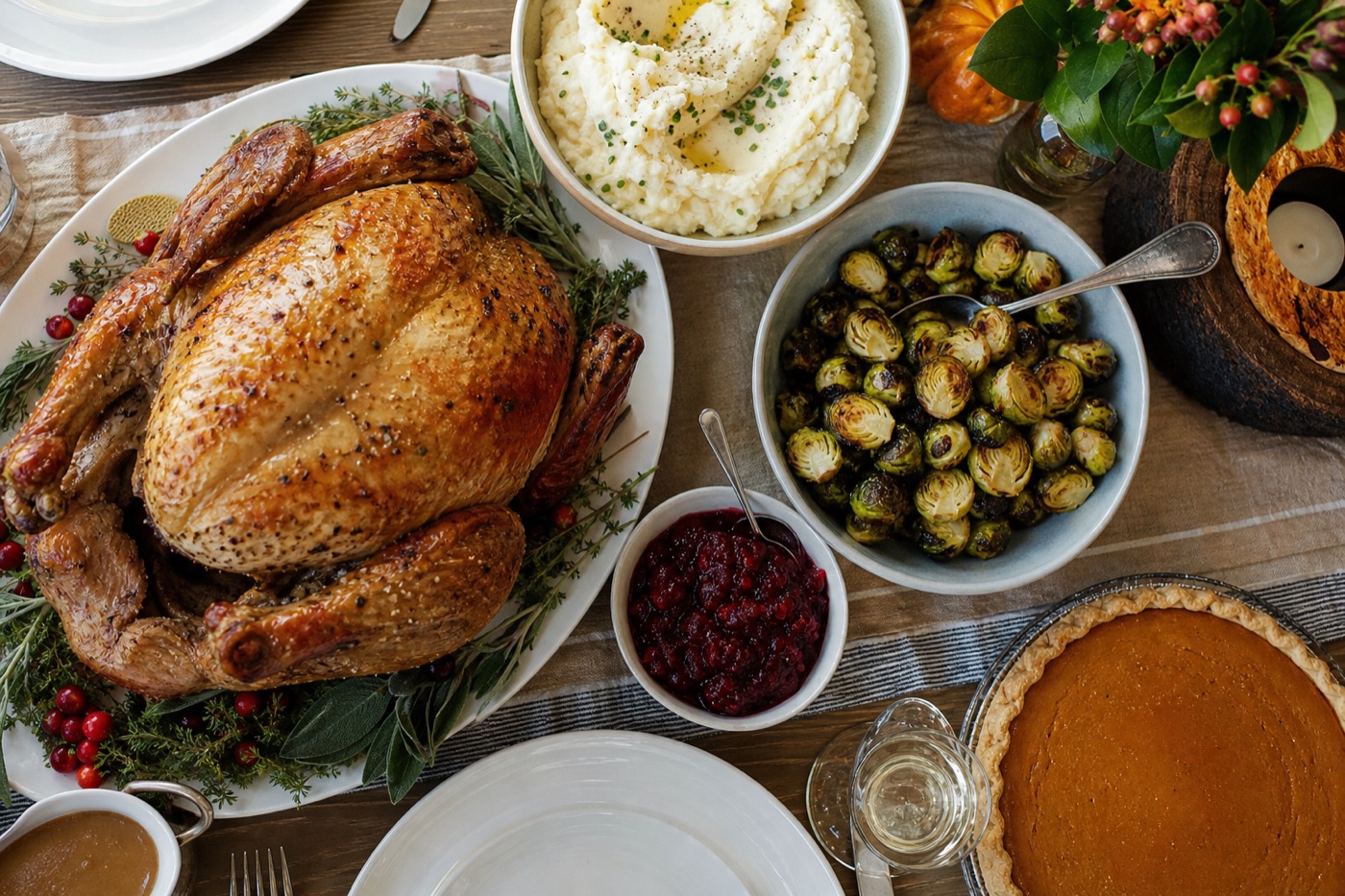
At a buffet or a crowded table, take a quick look at everything before you start. Ask yourself which dishes are special to this holiday and which you can have any time. Grandma’s stuffing or a once-a-year pie deserves a spot; the bowl of chips probably doesn’t.
A loose plate guide that works for most holiday meals:
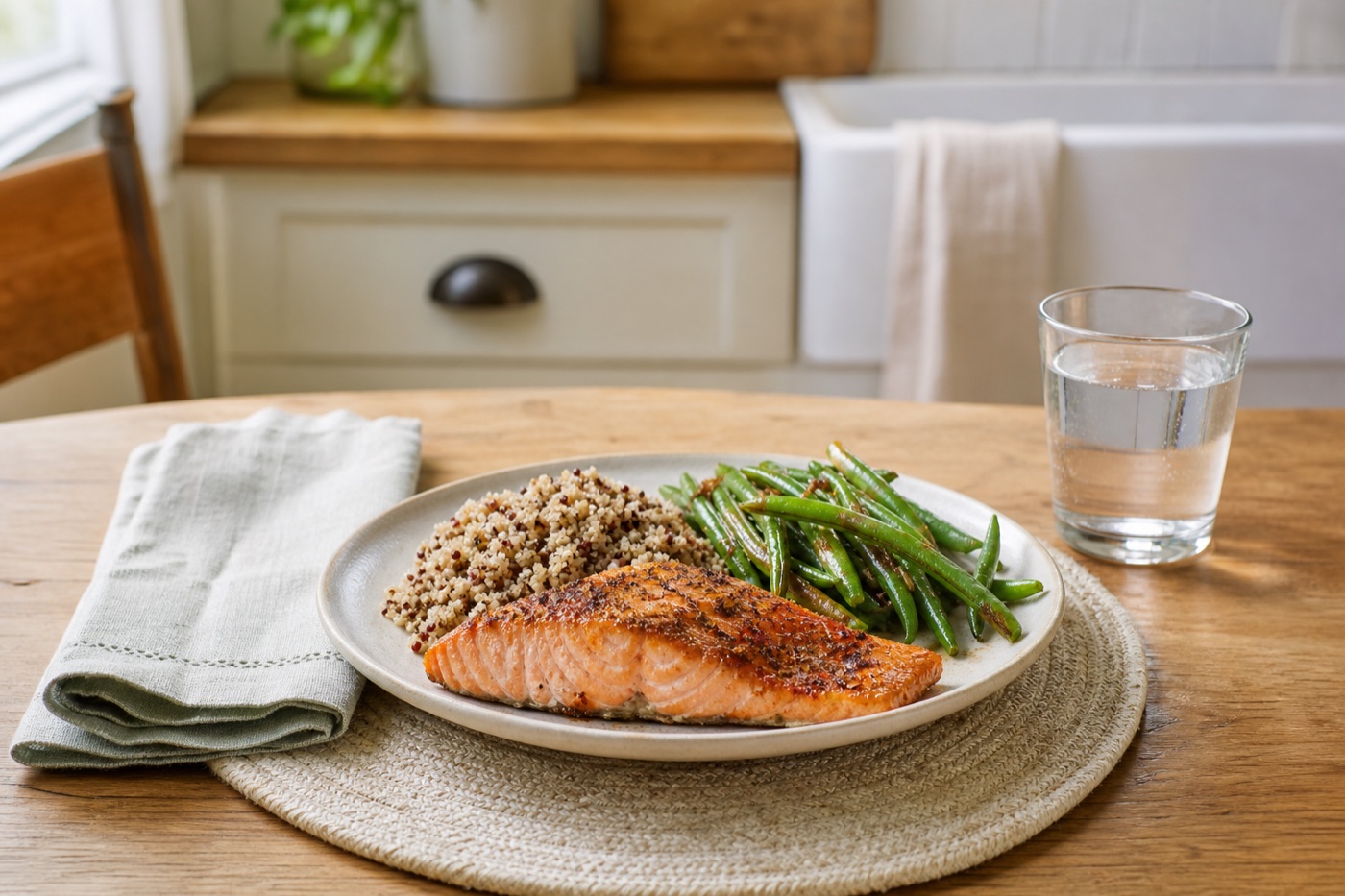
- Half the plate: vegetables and salads, such as green beans, roasted Brussels sprouts, carrots or a green salad
- A quarter: turkey, ham, fish or a main dish of beans or lentils
- A quarter: your favorite starches, such as potatoes, stuffing, rolls or sweet potatoes
- A spoonful each of the sauces and rich sides you love most
Eat slowly, put your fork down between bites and talk with the people around you. Wait 10 or 15 minutes before deciding on seconds; fullness signals take a little while to catch up.
A look at common holiday foods
Recipes and portions vary a lot, so these are rough figures for typical servings, based on USDA FoodData Central. They’re not meant to make you count every bite, just to show where the biggest numbers usually are.
| Dish | Serving | Calories (about) |
|---|---|---|
| Roast turkey breast, no skin | 3 oz | 125–135 |
| Roast turkey dark meat, with skin | 3 oz | 190 |
| Roasted vegetables with a little oil | 1/2 cup | 50–80 |
| Mashed potatoes with milk and butter | 1/2 cup | 110–120 |
| Bread stuffing | 1/2 cup | 175–180 |
| Gravy | 1/4 cup | 30–60 |
| Cranberry sauce, canned | 1/4 cup | 100–110 |
| Dinner roll | 1 medium | 80–100 |
| Pumpkin pie | 1/8 of a 9-inch pie | 300–325 |
| Pecan pie | 1/8 of a 9-inch pie | 450–500 |
| Eggnog, nonalcoholic | 1 cup | 220–225 |
The pattern is clear: vegetables and lean turkey are light, while rich sides, desserts and creamy drinks add up quickly. That doesn’t make them off-limits. Pick the ones you really want and enjoy a reasonable portion.
Drinks at gatherings
Holiday drinks can carry a lot of sugar and, when they contain alcohol, a lot of calories too. If you don’t drink, there’s no reason to start. If you do choose to drink, keep it moderate, alternate each drink with a glass of water, and eat while you drink. Never drink and drive.
Good alcohol-free options for the table include sparkling water with citrus or pomegranate seeds, hot cider, or herbal tea. Our guide to alcohol and nutrition explains standard drink sizes and federal guidance.
Keep the food safe
Big meals and long gatherings are classic setups for foodborne illness. The USDA Food Safety and Inspection Service recommends:
- Thaw the turkey in the refrigerator, allowing roughly 24 hours for every 4 to 5 pounds. A 15-pound bird needs three to four days.
- Cook to 165°F, checked with a food thermometer in the thickest part of the breast, the innermost part of the thigh and the wing.
- Use the 2-hour rule. Don’t leave food at room temperature for more than 2 hours; refrigerate leftovers in shallow containers so they cool quickly.
- Eat leftovers within 3 to 4 days, or freeze them, and reheat to 165°F.
Planning portions and sending guests home with containers also cuts waste. Our guide to reducing food waste at home has ideas for turning leftovers into new meals.
Beyond the plate
Some of the best holiday traditions have nothing to do with food. A family walk after dinner, a game of touch football, a board game or simply clearing the table together gives everyone a break between the main course and dessert.
If you’re managing a health condition such as diabetes or high blood pressure, plan ahead with your doctor or registered dietitian about how to handle special meals.
The bottom line
Eat normally on the day, scan the spread, fill half your plate with vegetables, and choose the dishes that make the holiday special. Go easy on drinks, keep food safety in mind, and if you eat more than you planned, simply return to your usual routine the next day. The memories matter more than the menu.
Common questions
Should I skip meals before a big holiday dinner?
It's better not to. Arriving very hungry makes it harder to enjoy the meal at a comfortable pace, so have a normal breakfast and a light lunch or snack with some protein and fiber.
How long can holiday food sit out on the table?
No more than 2 hours at room temperature, according to the USDA Food Safety and Inspection Service. After that, refrigerate or freeze leftovers in shallow containers.
How long do turkey leftovers last?
Refrigerated leftovers should be eaten within 3 to 4 days. Freeze anything you won't finish by then, and reheat leftovers to 165°F before serving.
What if I eat more than I planned?
One big meal doesn't undo your usual habits. Skip the guilt, go back to your regular meals the next day, and maybe take a walk, which feels good after a large dinner anyway.
Sources
Elliot writes about foods, labels and the grocery store, from choosing a cereal to stretching a budget without giving up vegetables.