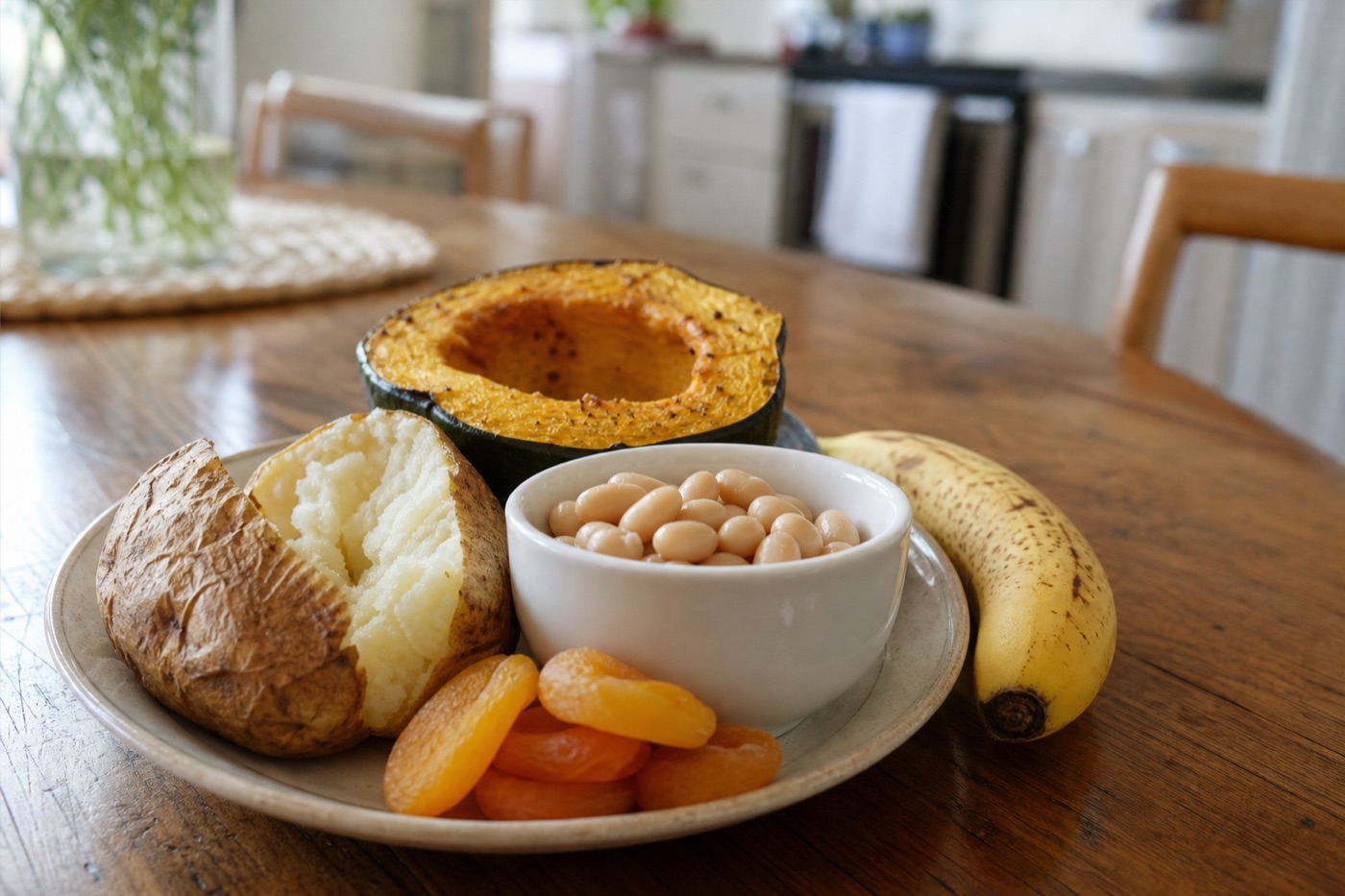
Foods High in Potassium and Why They Matter
Potassium helps balance sodium and supports healthy blood pressure. See how much adults need and which foods have the most, from beans and potatoes to yogurt.
Clear, practical nutrition for every age, budget and kitchen
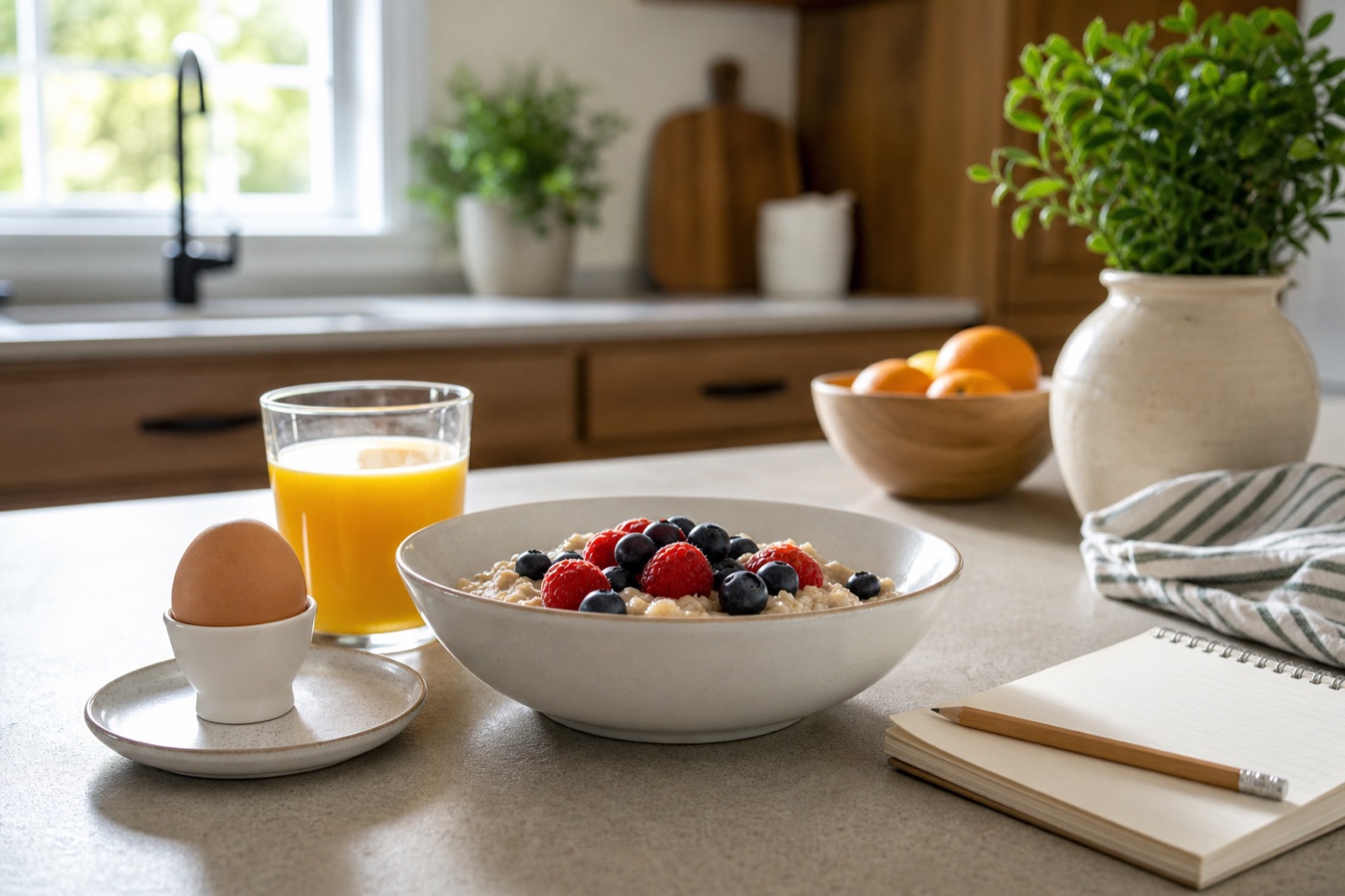
Straight answers about food and health for every stage of life, from building a better breakfast to eating well on a tight budget, plus our rankings of the best calorie counter and calorie tracker apps.
Potassium helps balance sodium and supports healthy blood pressure. See how much adults need and which foods have the most, from beans and potatoes to yogurt.
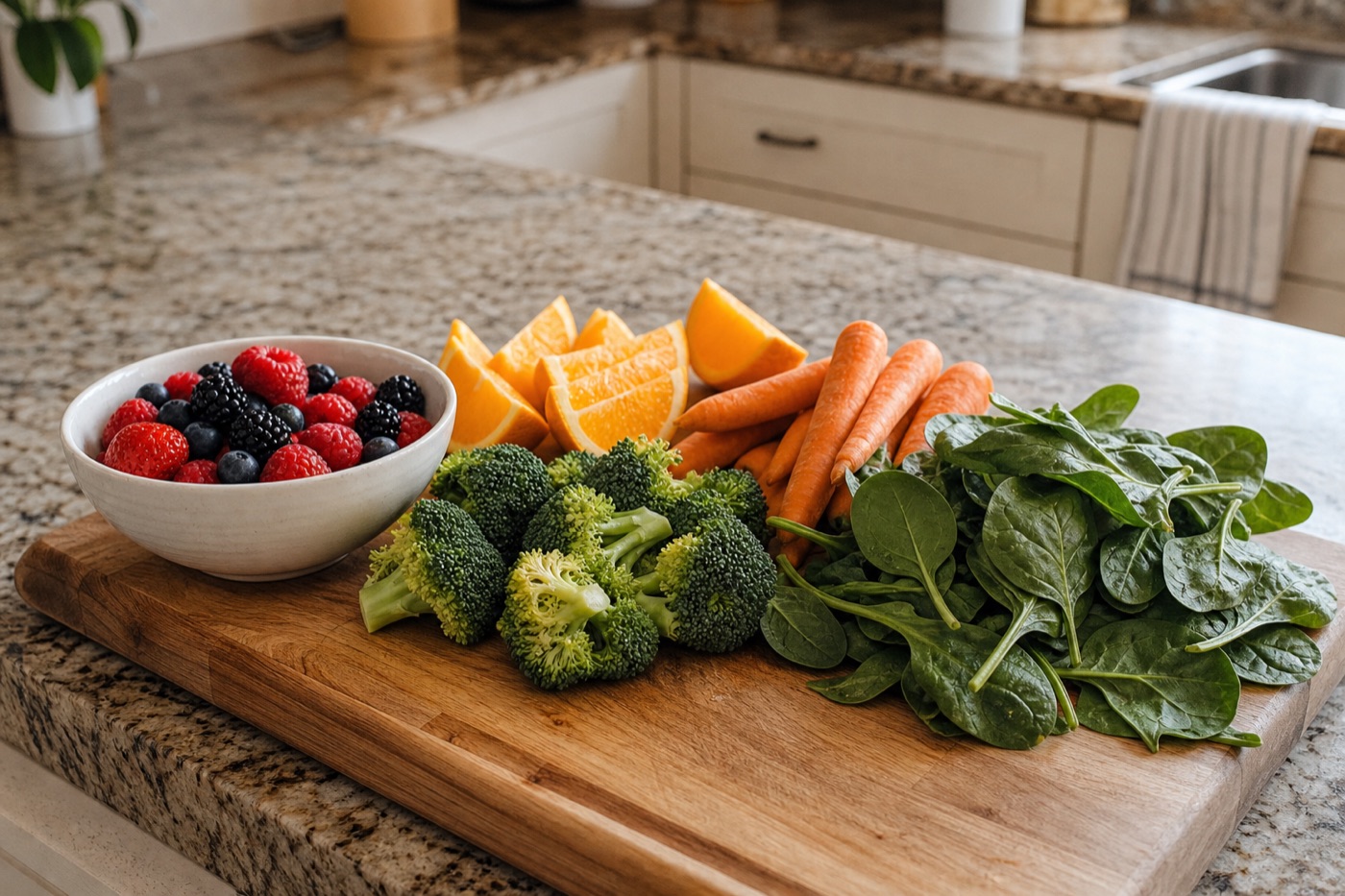
Most adults need about 1½ to 2½ cups of fruit and 2 to 4 cups of vegetables daily. See targets by age and sex, what counts as a cup and easy ways to get there.
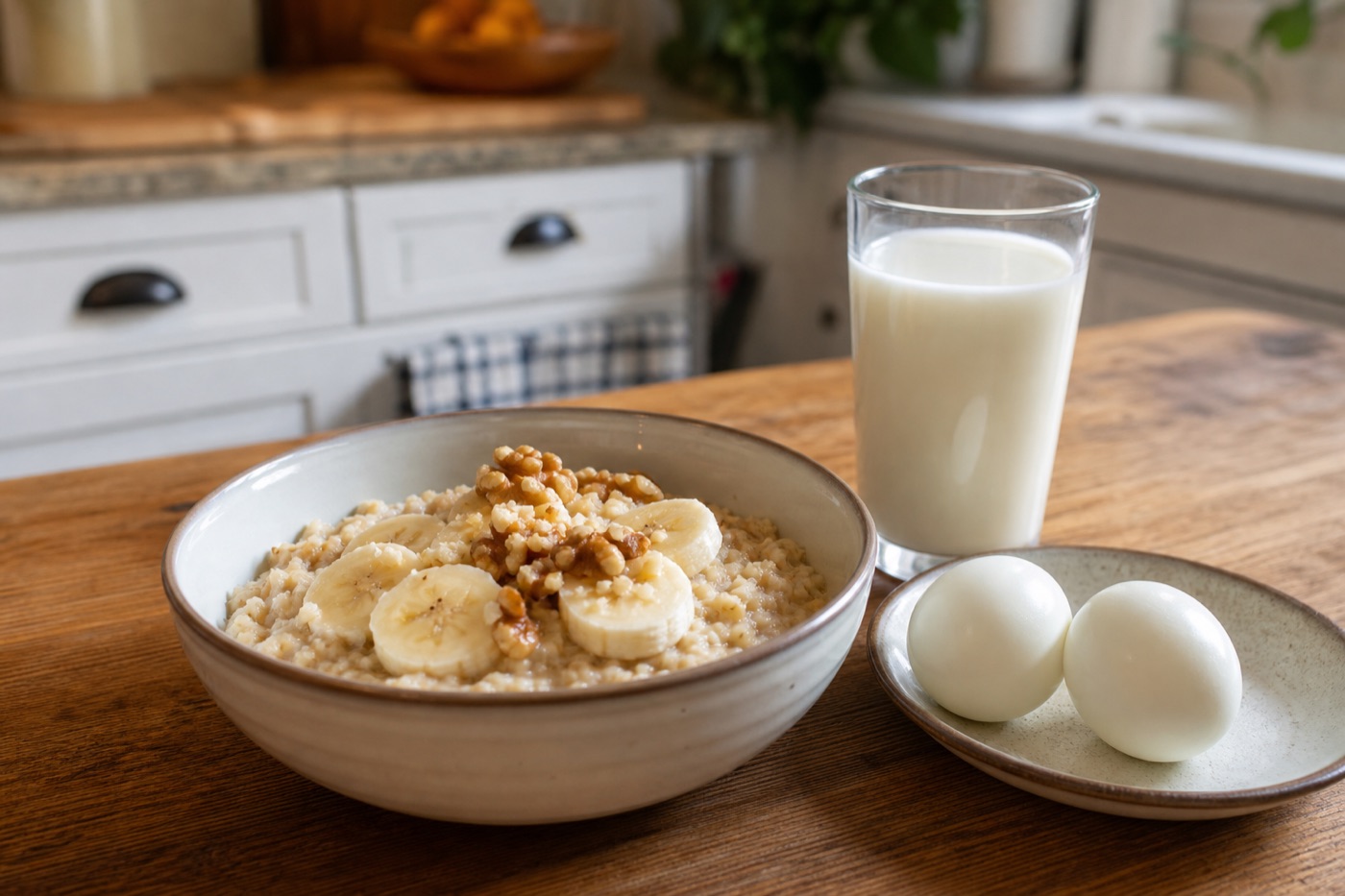
A balanced breakfast pairs a protein, a fiber-rich carb and a fruit or vegetable. Use this simple formula, quick combos and tips for rushed or slow mornings.
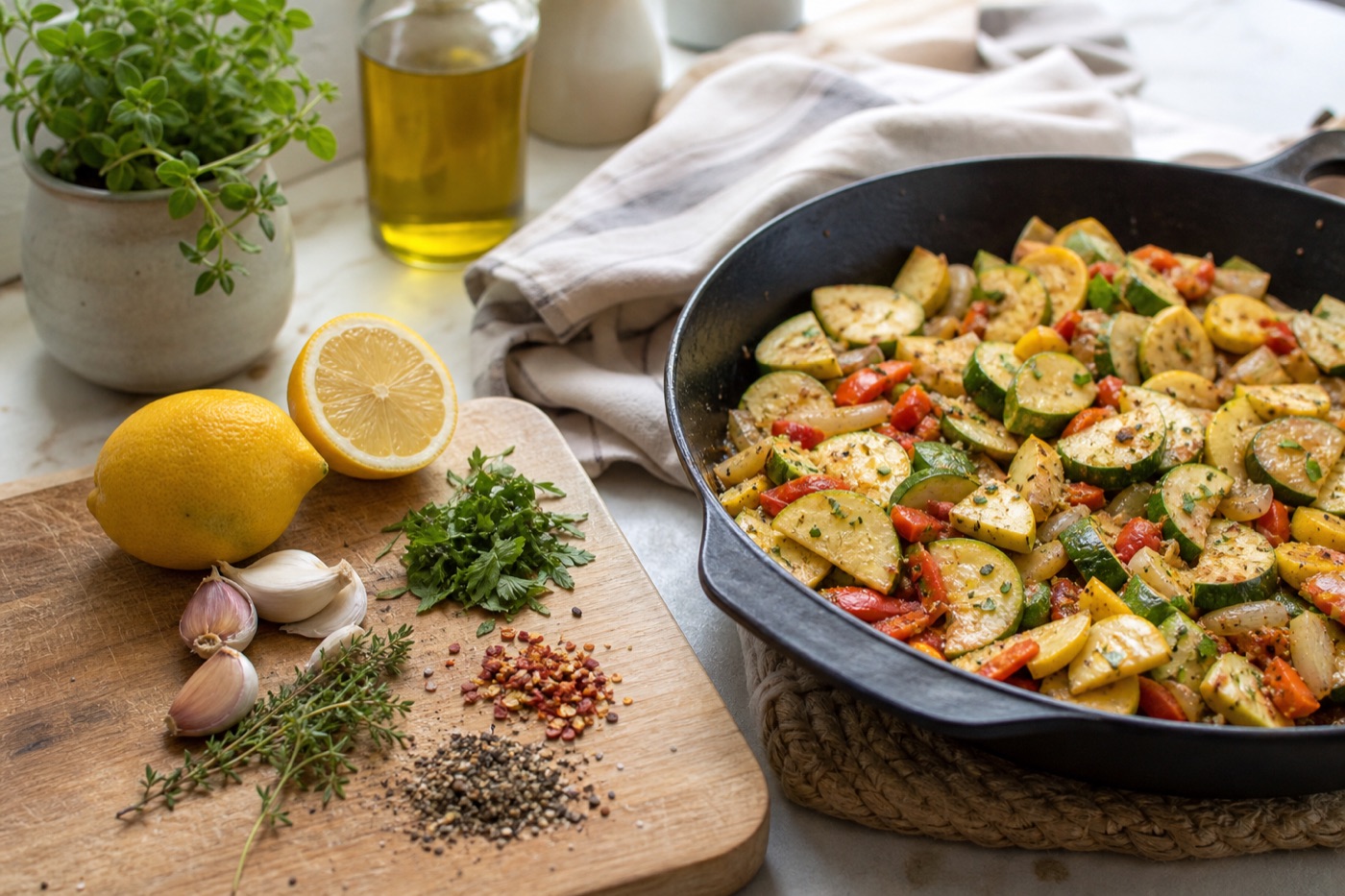
The shaker is a small part of the problem; processed and restaurant foods supply most sodium. Learn the daily limit, label terms and how to season with less.
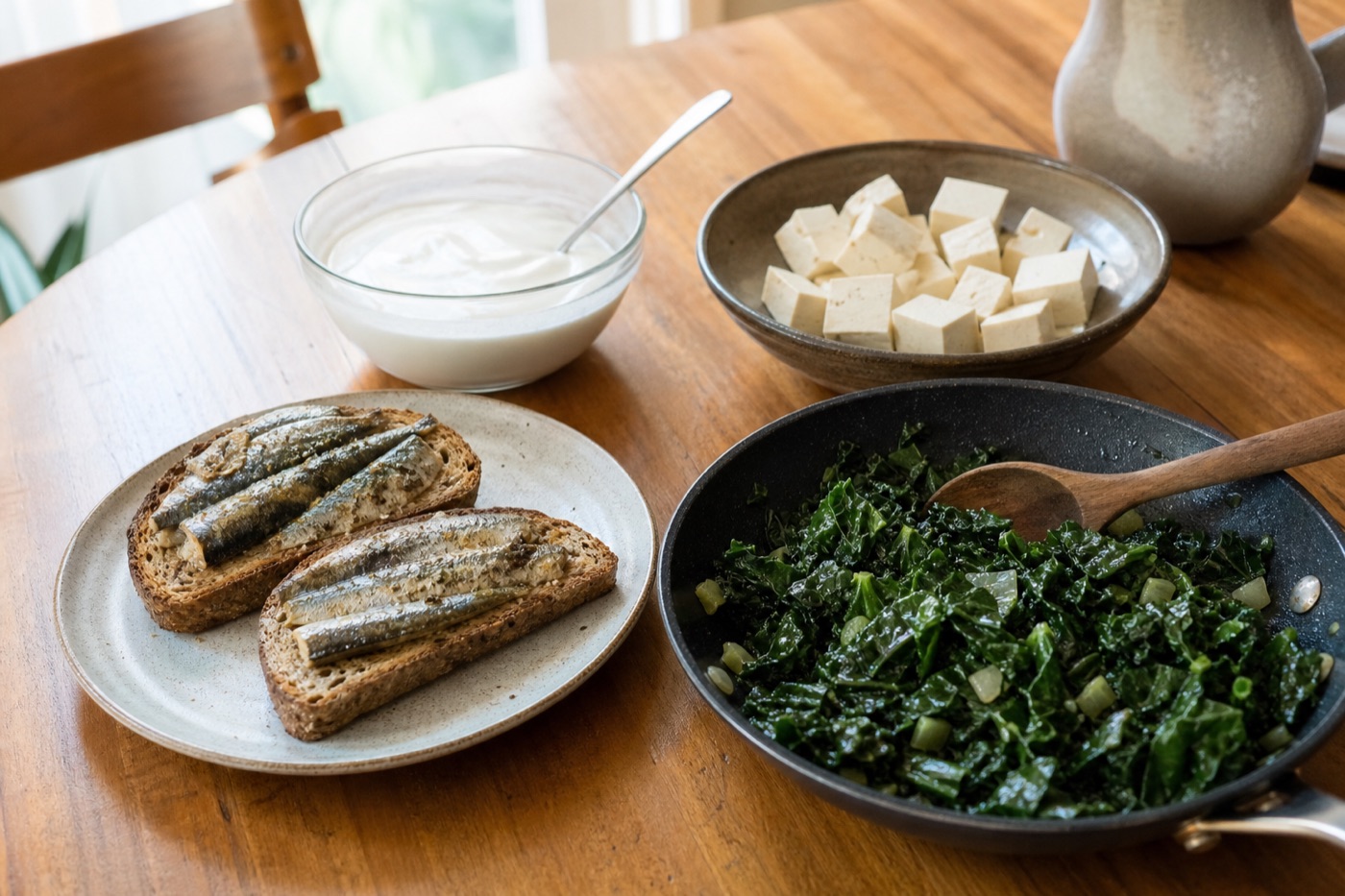
Most adults need 1,000 to 1,200 mg of calcium a day. See how much dairy provides and the best nondairy sources, from fortified soy milk to tofu and greens.
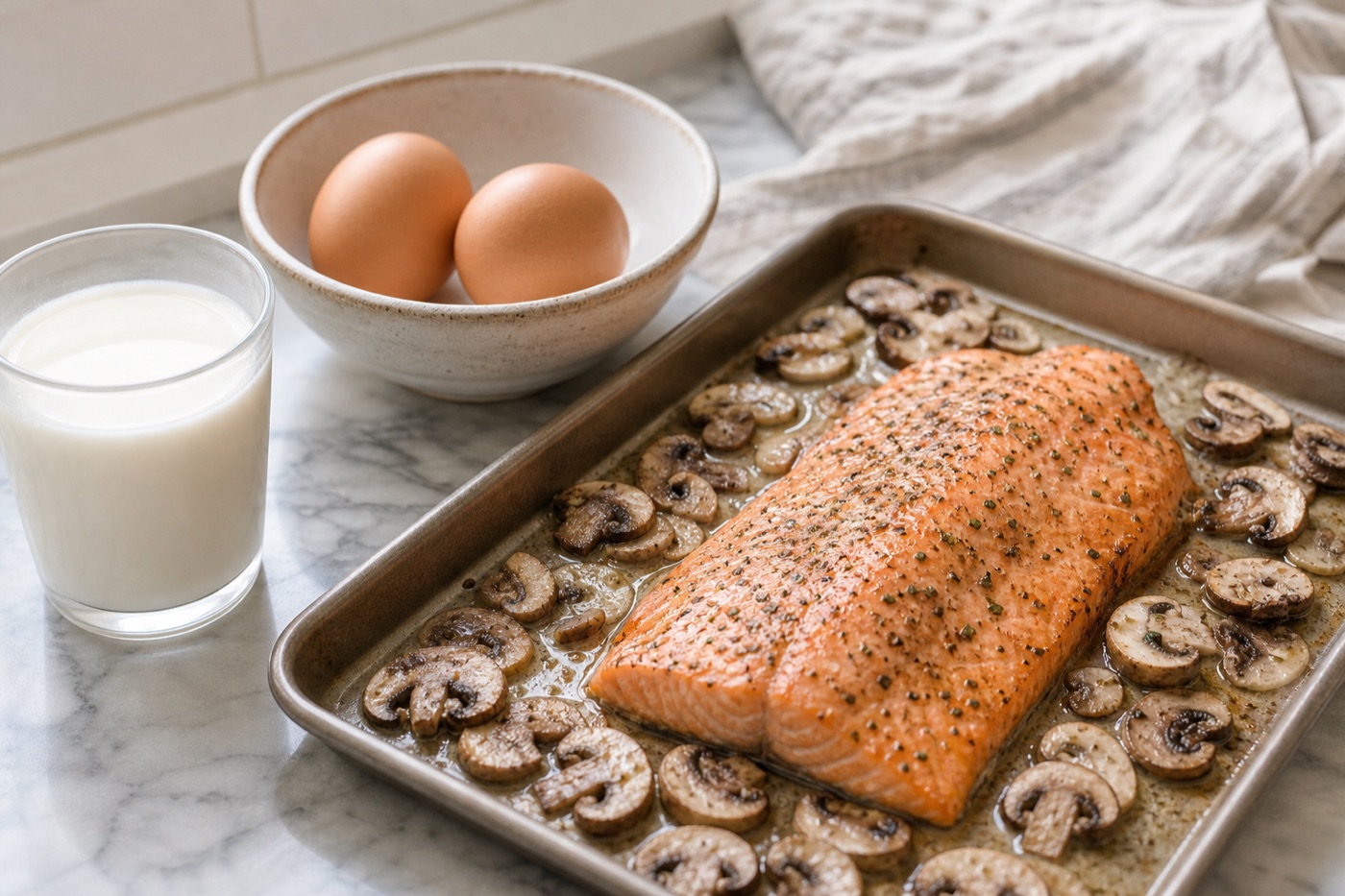
Most people need 600 IU (15 mcg) of vitamin D daily, or 800 IU after age 70. See the best food sources, how sunlight fits in and when to ask about a supplement.
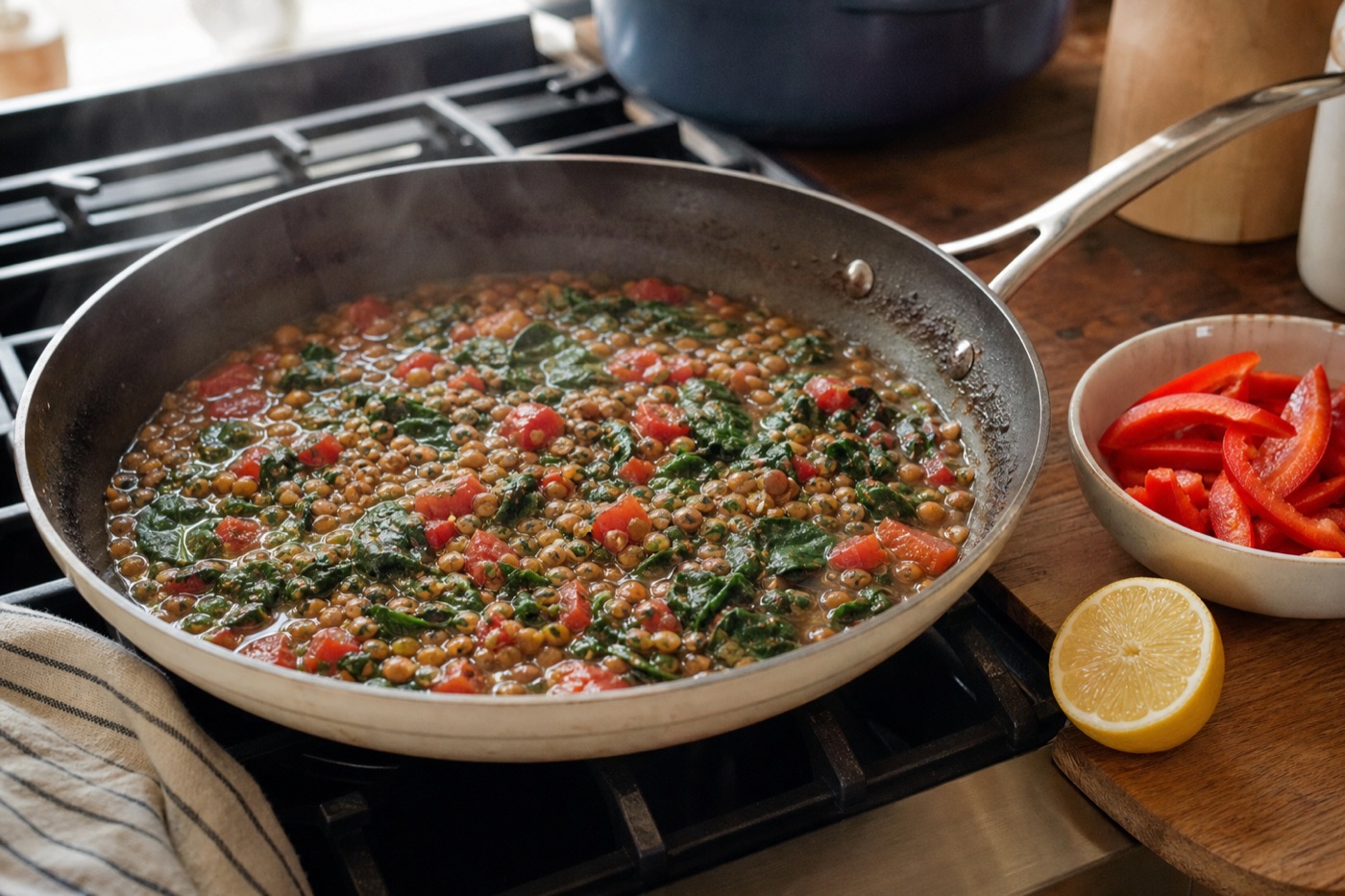
Iron comes as heme iron from meat and seafood and nonheme iron from beans, greens and fortified grains. See how much you need and how to absorb more of it.
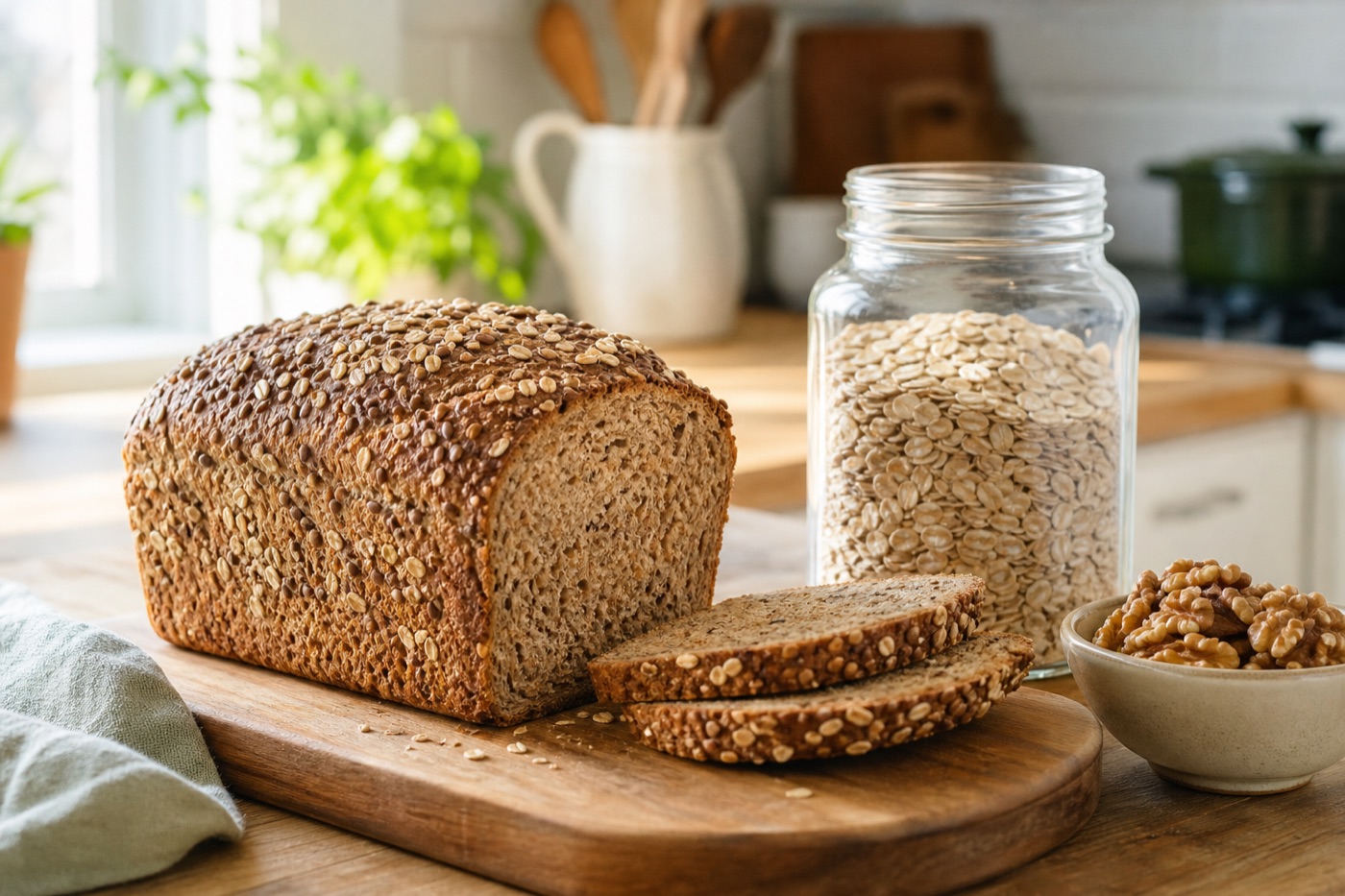
Ingredients are listed by weight, heaviest first. Learn what the first few reveal, how to spot split-up sugars, and how to read allergen and additive terms.
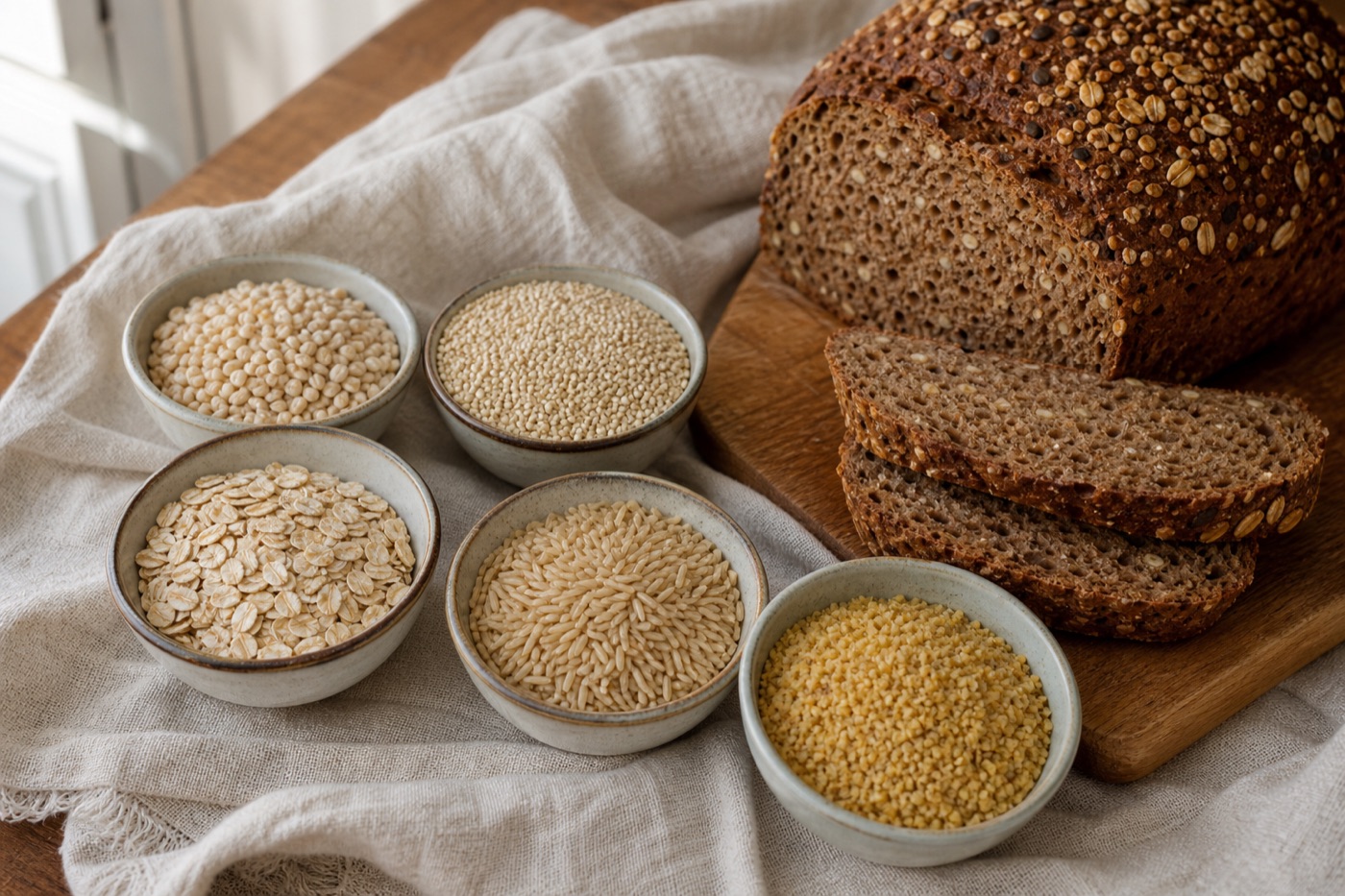
Look for the word "whole" before the grain in the first ingredient. Here's which label terms mean whole grain, which don't, and a fiber check to back it up.
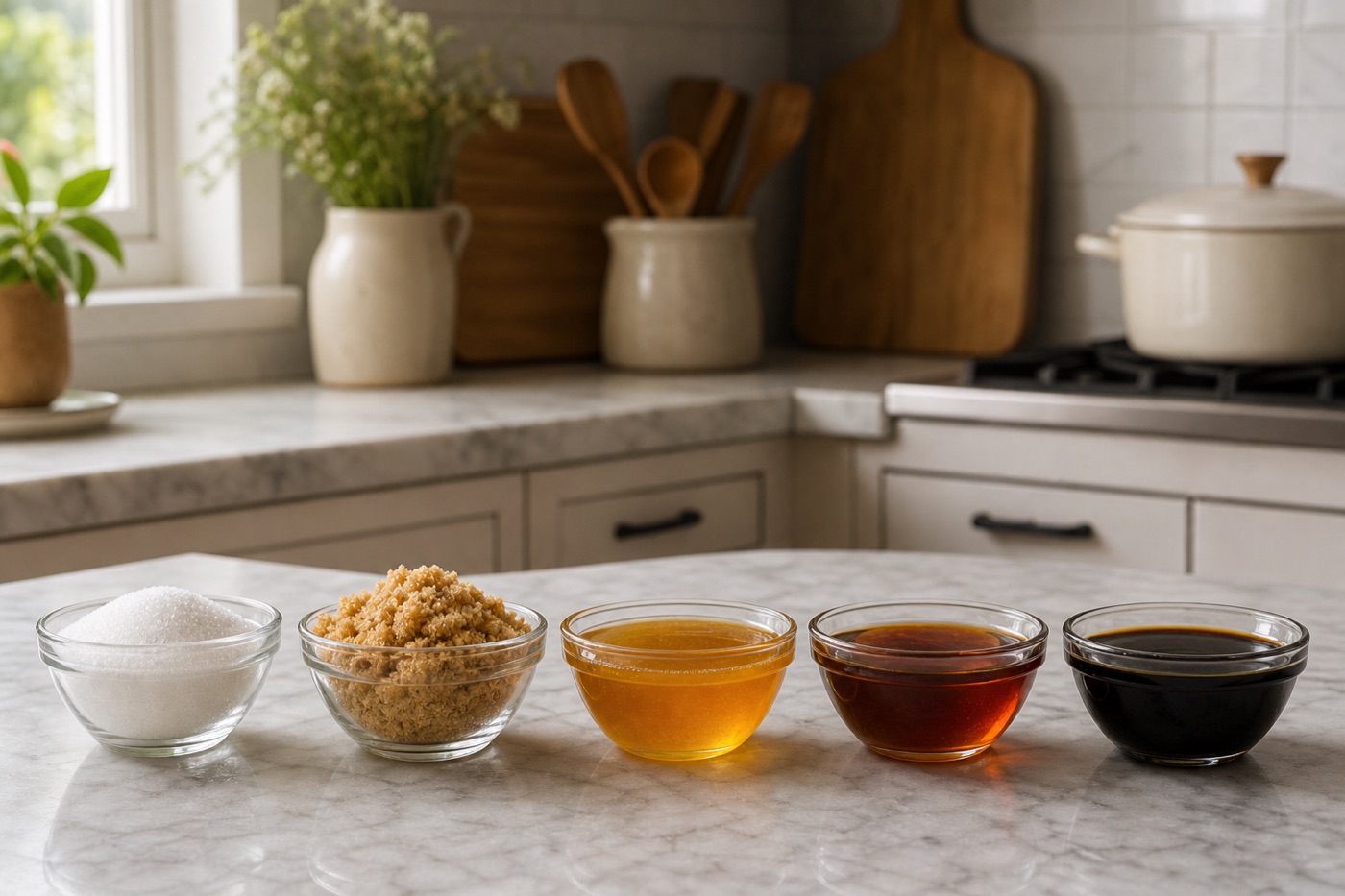
Added sugar hides under names like dextrose, cane juice, malt syrup and fruit juice concentrate. Here's a grouped list and how to read the Added Sugars line.
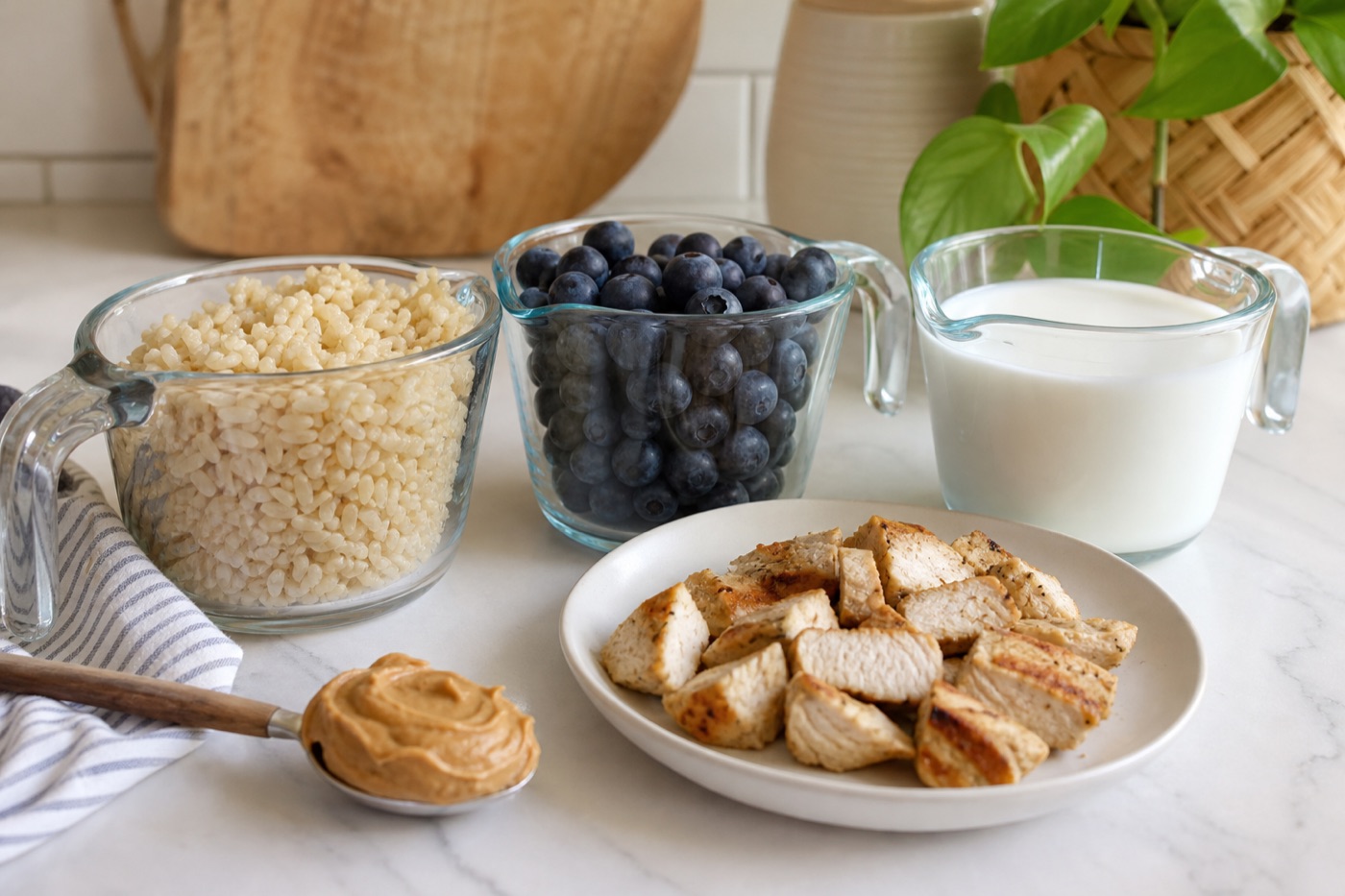
A label's serving size isn't advice, and MyPlate counts cups and ounce-equivalents. See what one serving is in each food group and how to eyeball portions.
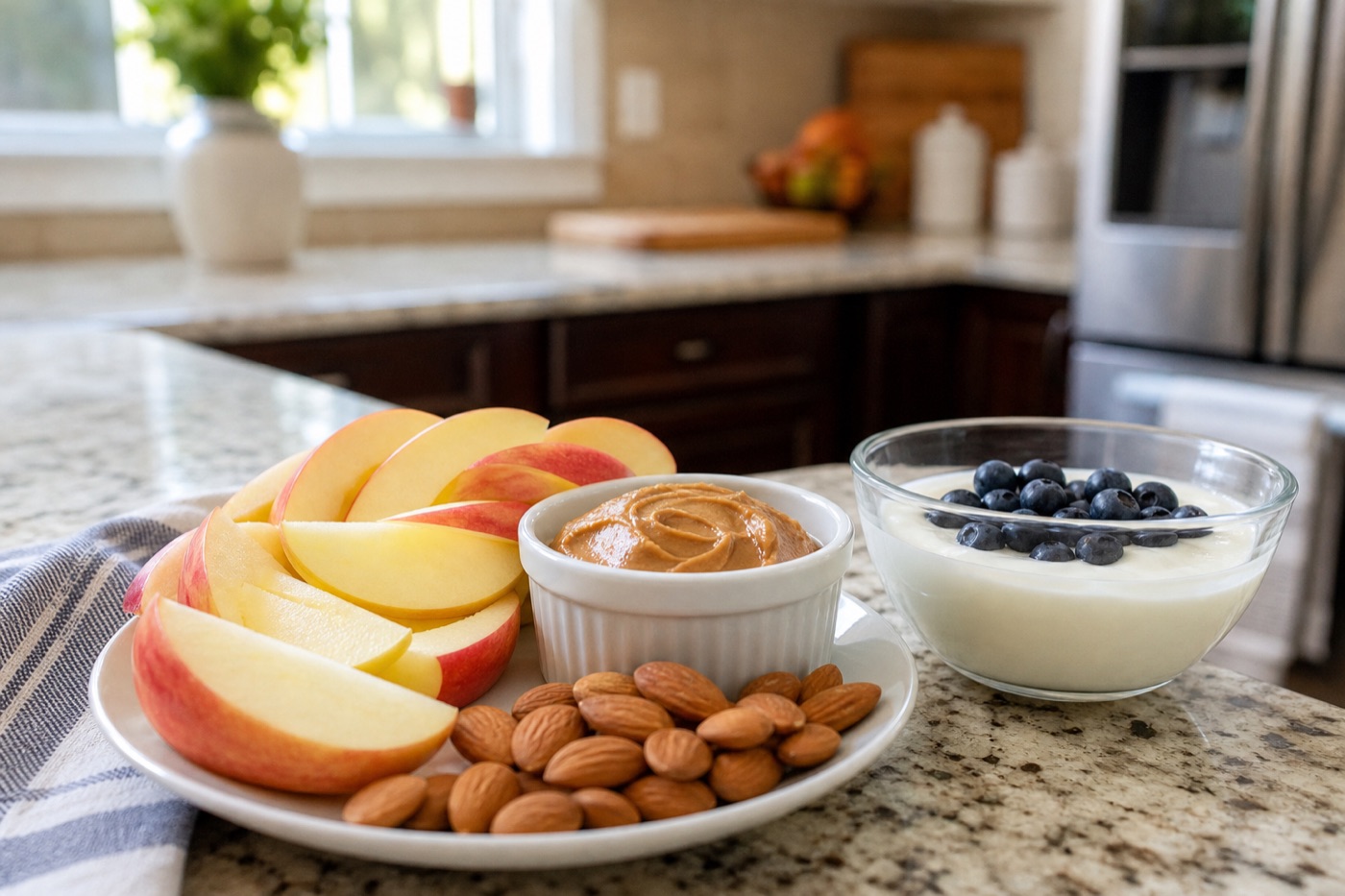
A healthy snack pairs produce or a whole grain with protein or healthy fat, sized to bridge the gap to your next meal. Here are 100- and 200-calorie ideas.
The % Daily Value shows how much one serving adds toward a day's nutrient amount on a 2,000-calorie diet. 5% or less is low, 20% or more is high. How to use it.
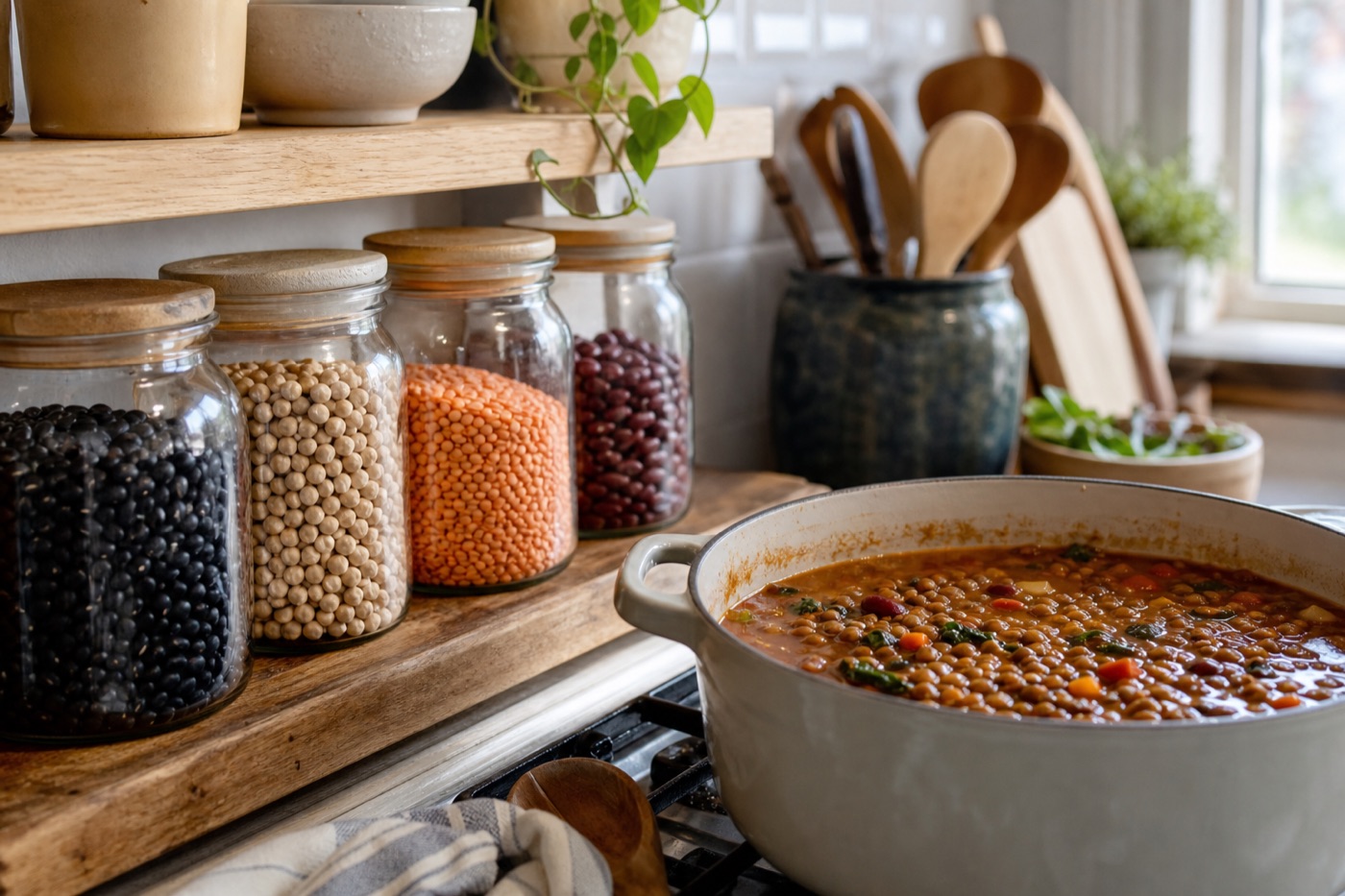
Beans and lentils are cheap, filling and rich in fiber and plant protein. Learn the main types, canned vs. dried, cooking basics and easy ways to eat more.
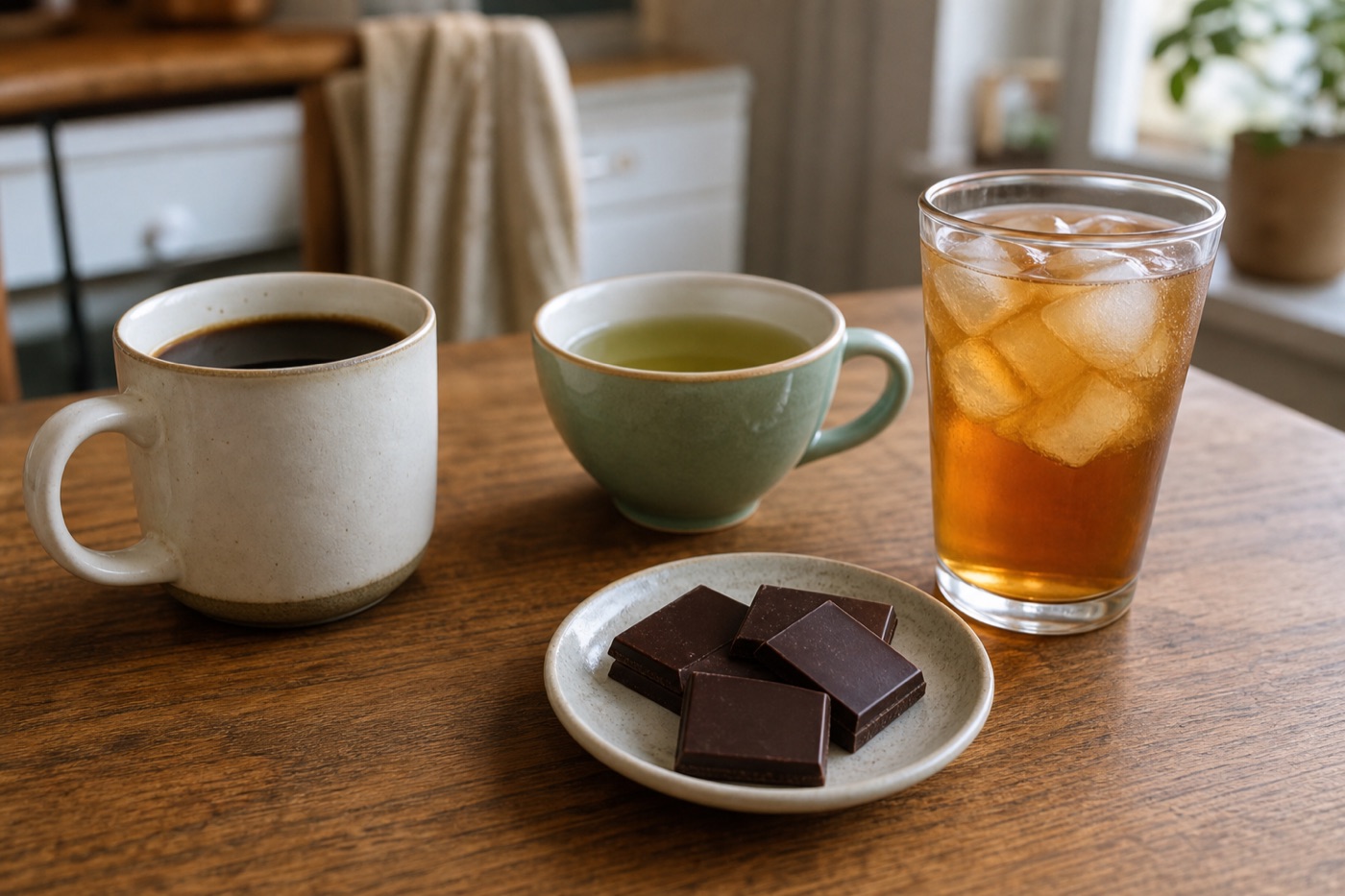
For healthy adults, FDA says up to 400 mg of caffeine a day, about 4 or 5 cups of coffee, isn't usually harmful. See how drinks compare and who needs less.
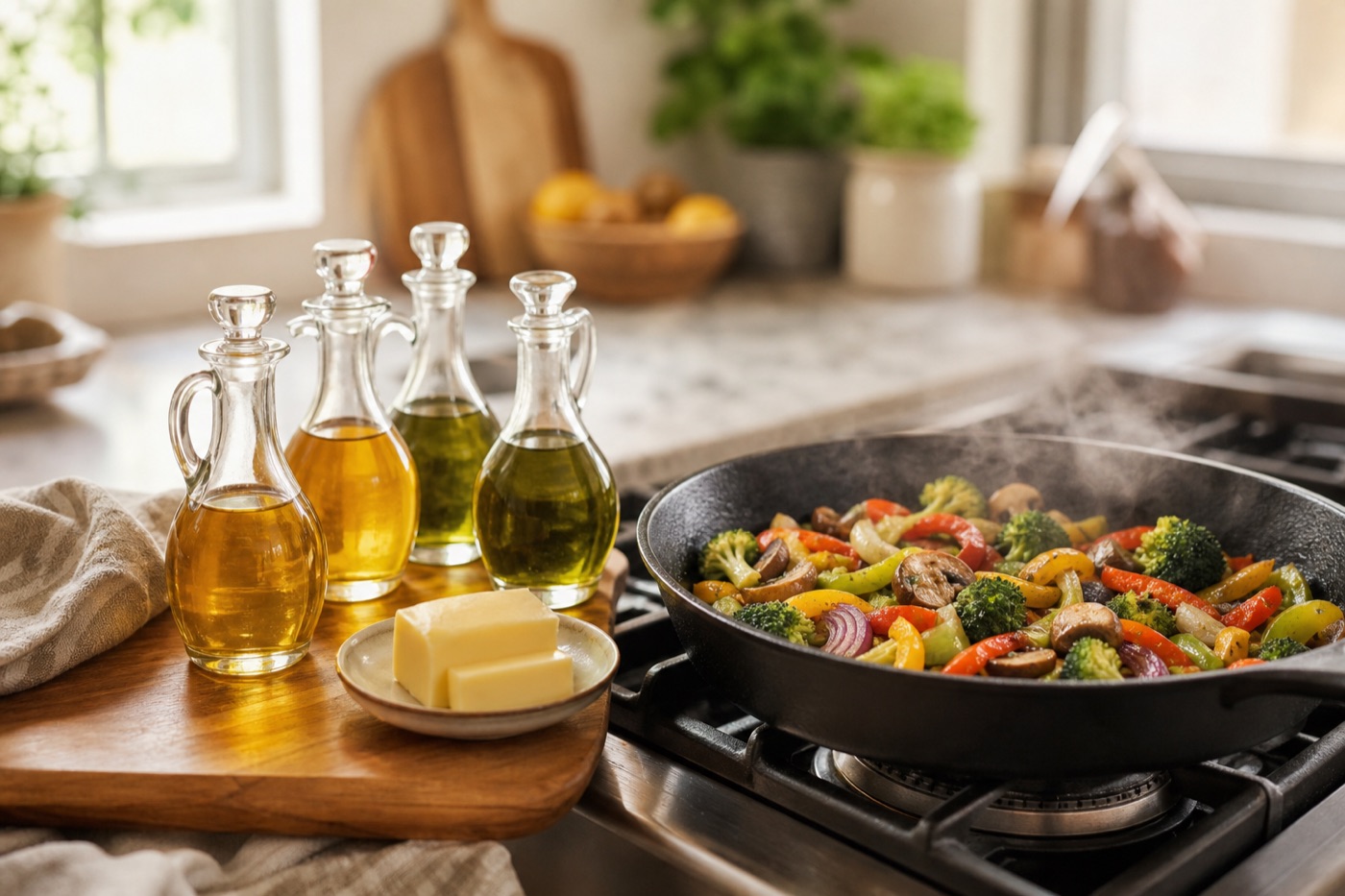
Olive, canola and avocado oil are mostly unsaturated fat; coconut oil and butter are high in saturated fat. Compare cooking oils by heat, flavor and best use.
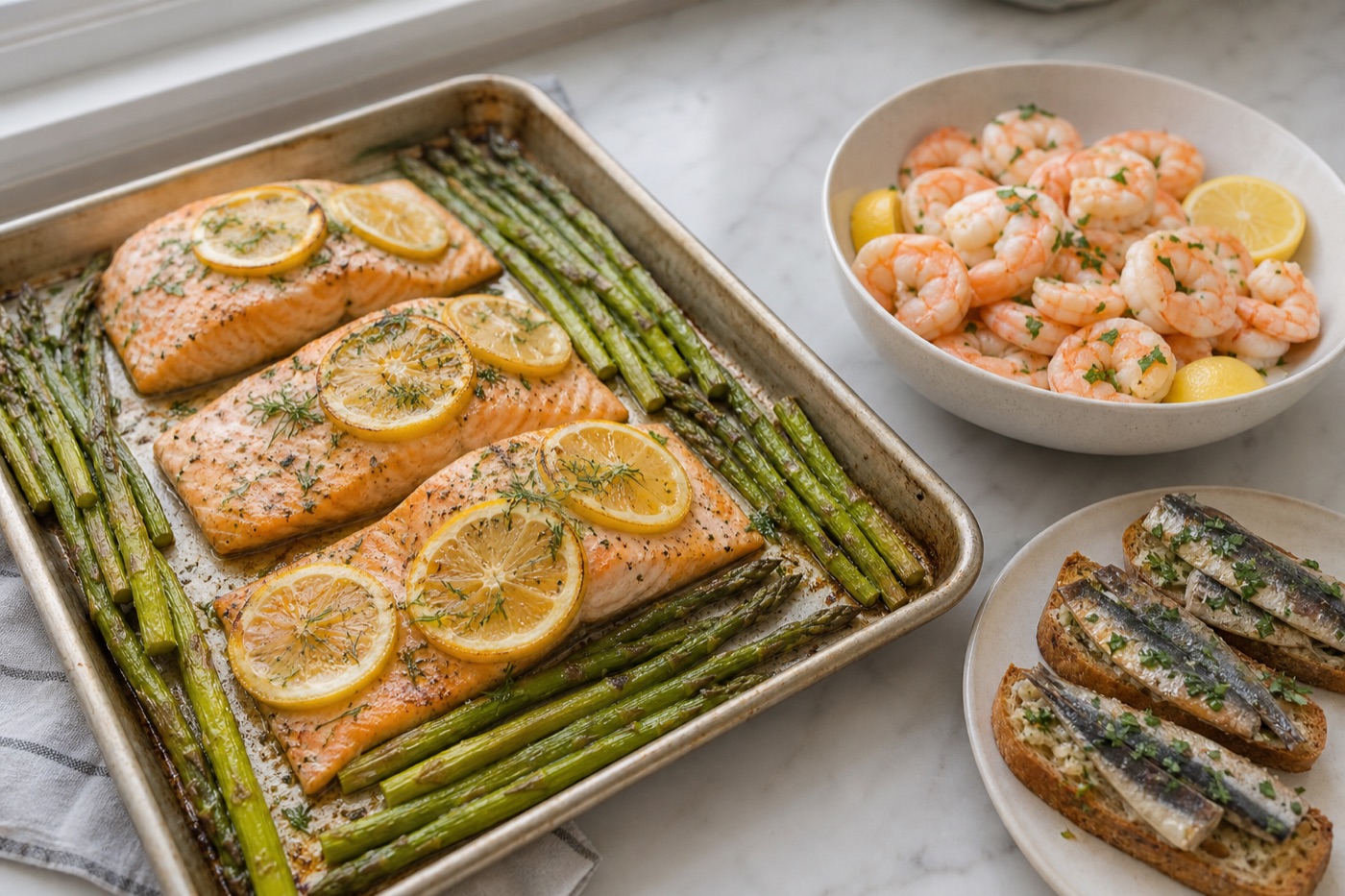
FDA and EPA advise most adults to eat at least 8 ounces of seafood a week, choosing lower-mercury fish like salmon, shrimp and sardines. Here's how to choose.
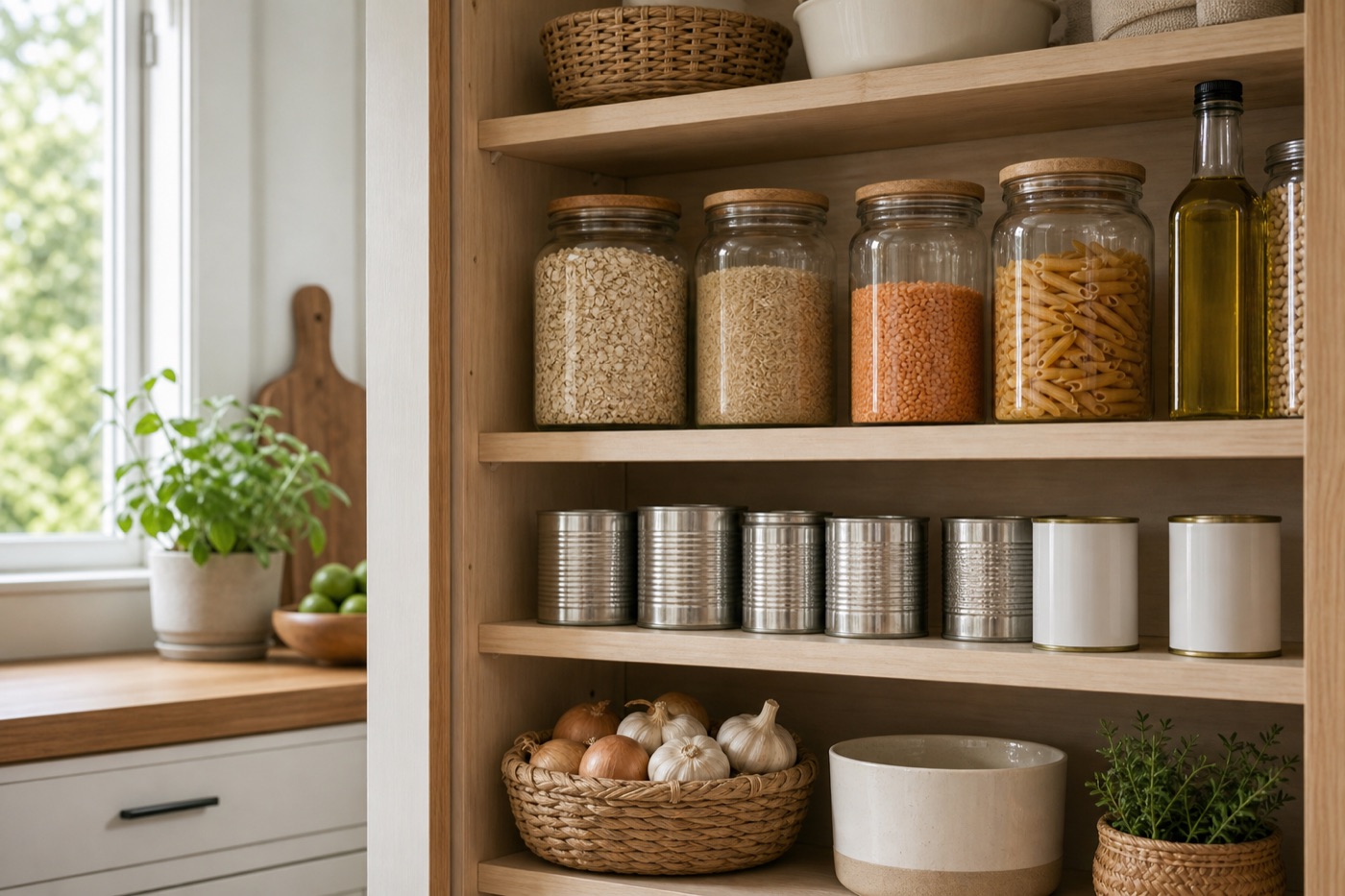
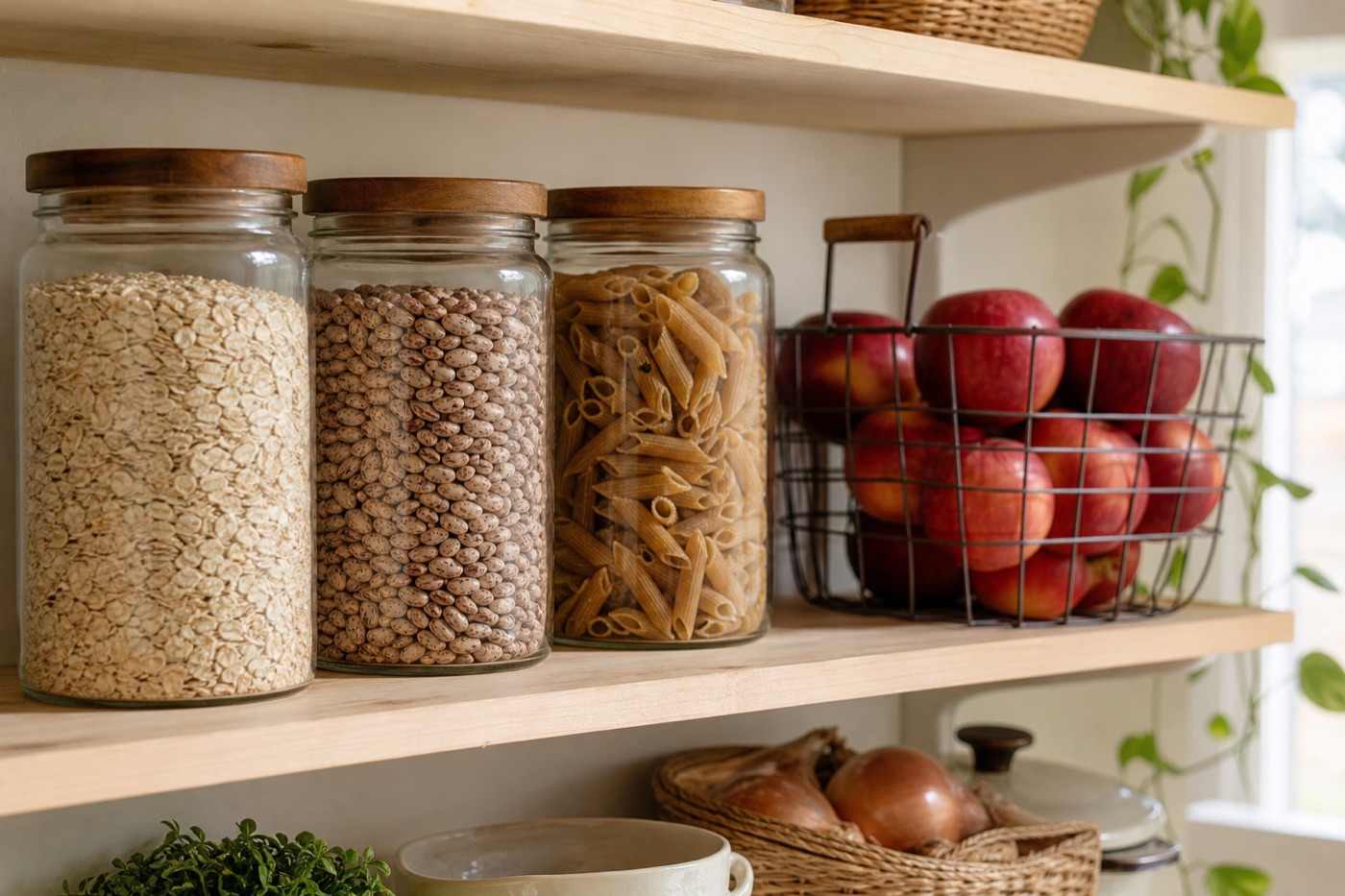
A pantry of canned beans, fish, tomatoes, whole grains, nuts, oils and spices makes a healthy meal possible any night. Here's a checklist with storage tips.
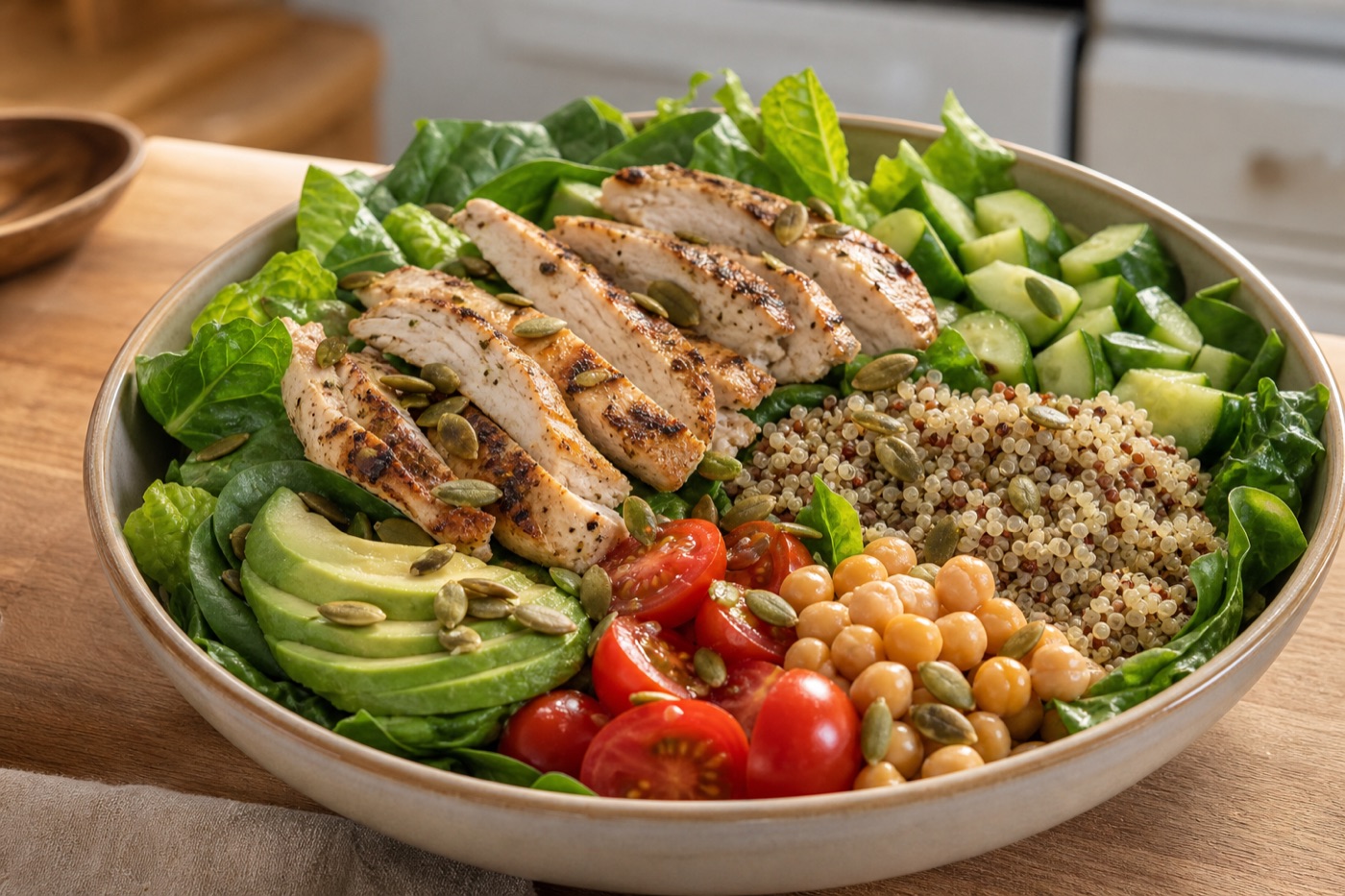
A filling salad needs more than lettuce: add protein, a fiber-rich grain or bean, a little healthy fat and some crunch. Here's the formula, with add-in ideas.
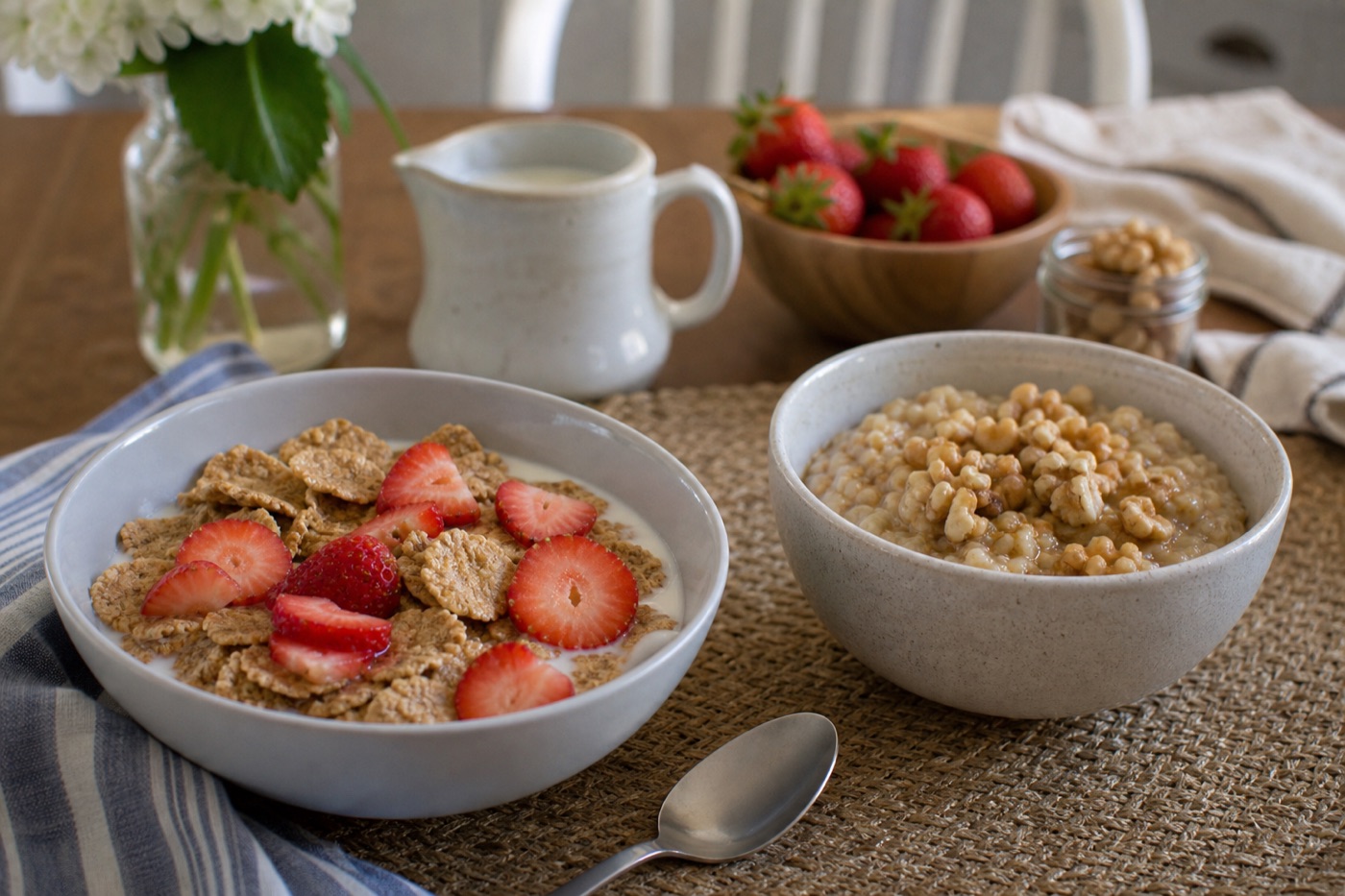
Look for a whole grain first, a solid amount of fiber, modest added sugar and a realistic serving size. Here's a quick way to compare boxes in the cereal aisle.
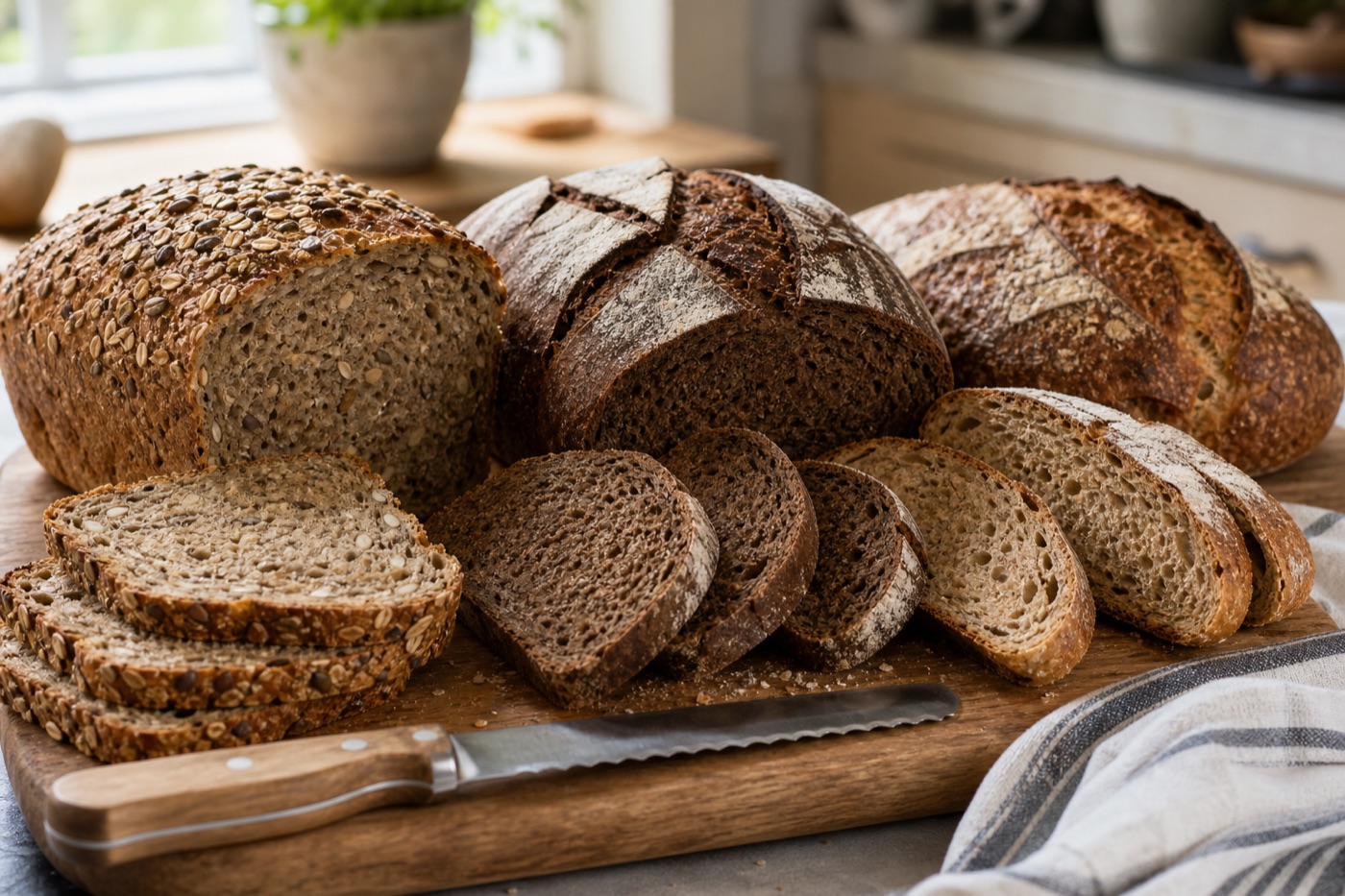
Choose bread with a whole grain listed first, a few grams of fiber per slice, moderate sodium and little added sugar. Here's how to check the bag in a minute.
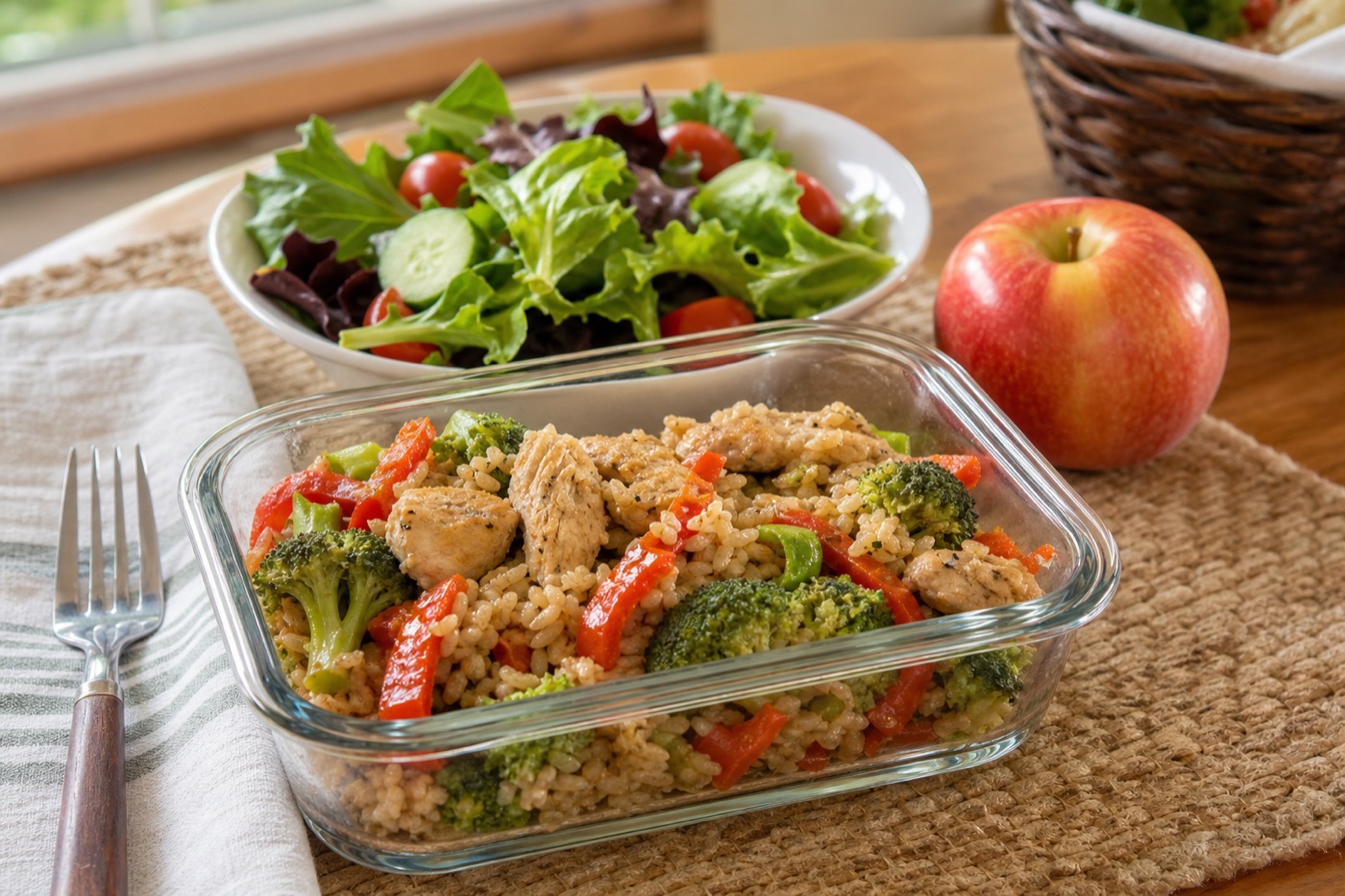
A healthier frozen meal has a realistic serving, moderate sodium, decent protein and fiber, and real vegetables. Here's what to check and how to round it out.
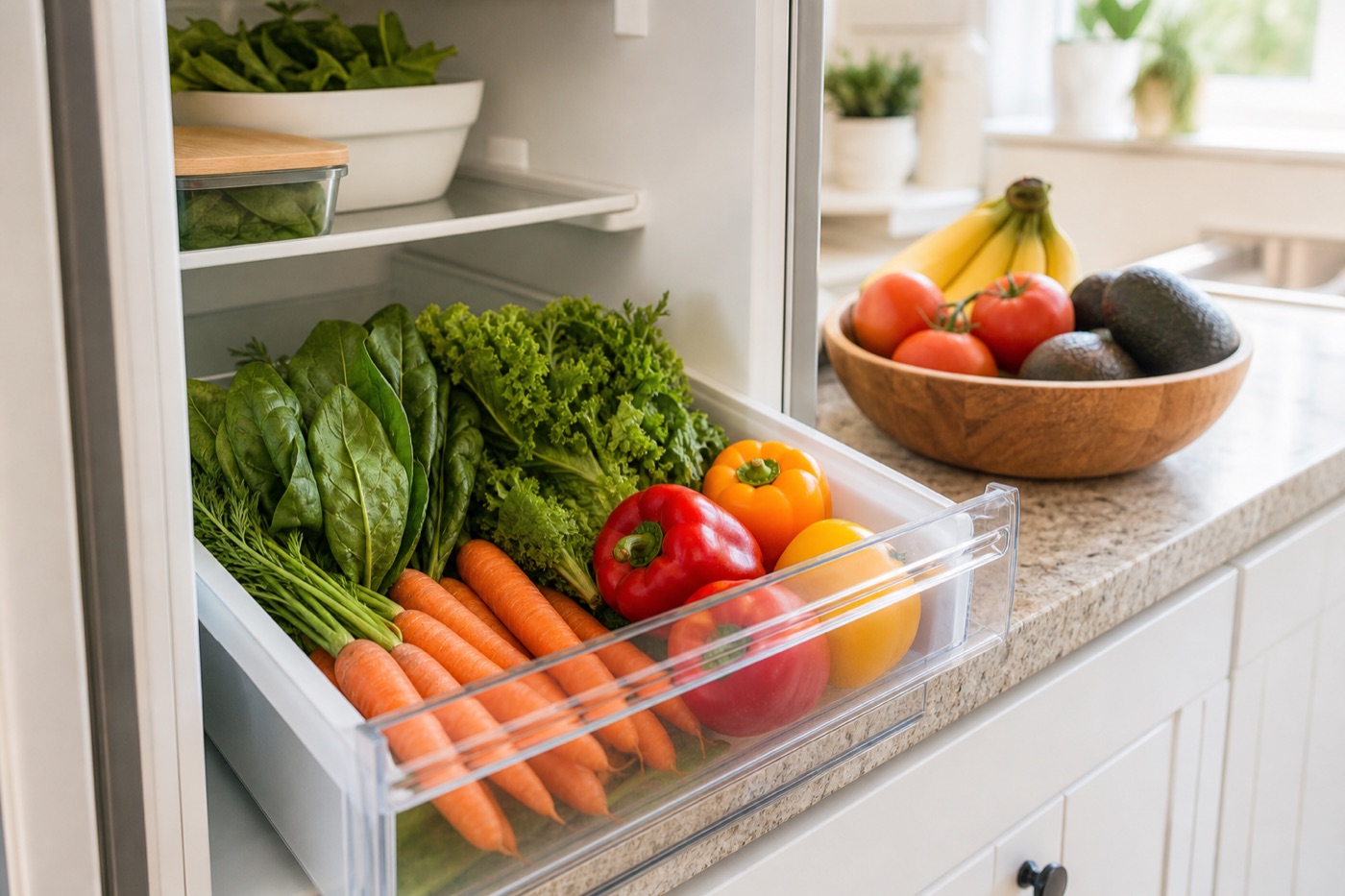
Keep the fridge at 40°F or below, separate ethylene-releasing fruit from sensitive vegetables, and wash produce right before eating. A where-to-store-it guide.
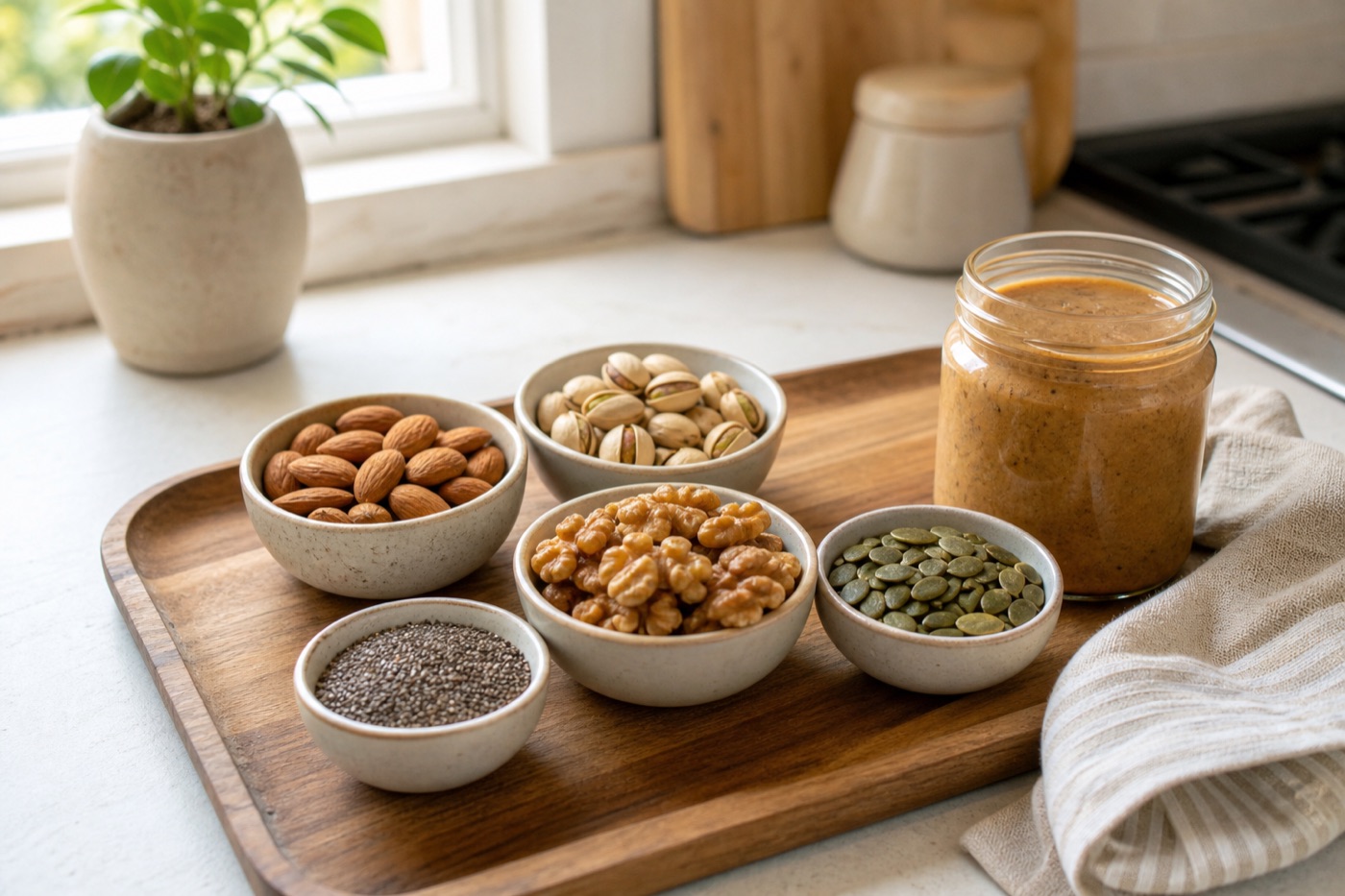
A typical portion of nuts or seeds is about 1 ounce, a small handful, with roughly 160 to 200 calories plus protein, fiber and healthy fats. Compare types here.
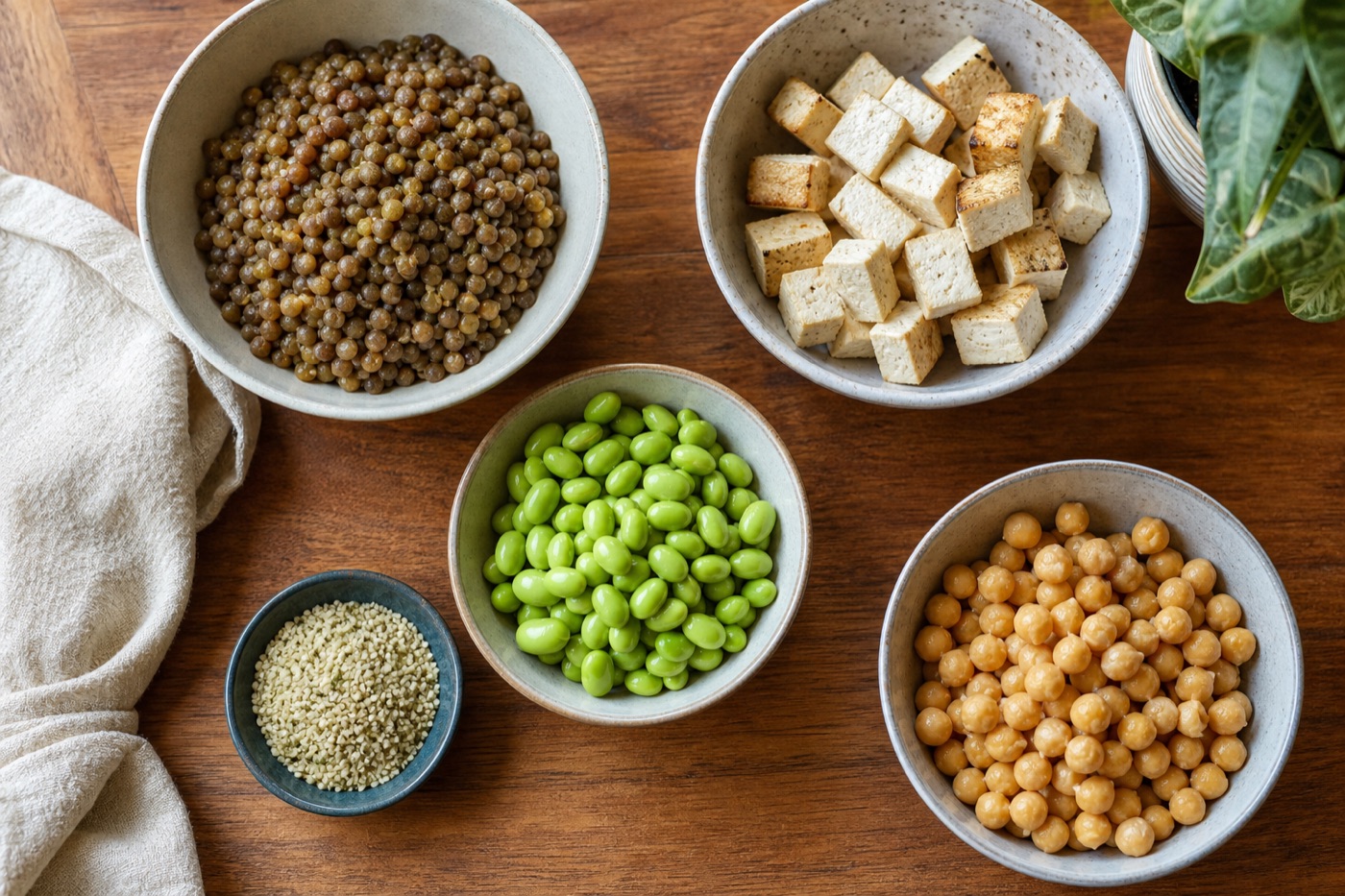
Beans, lentils, soy, nuts, seeds and whole grains can cover your protein needs without meat. See how much each provides and how to build meals around them.
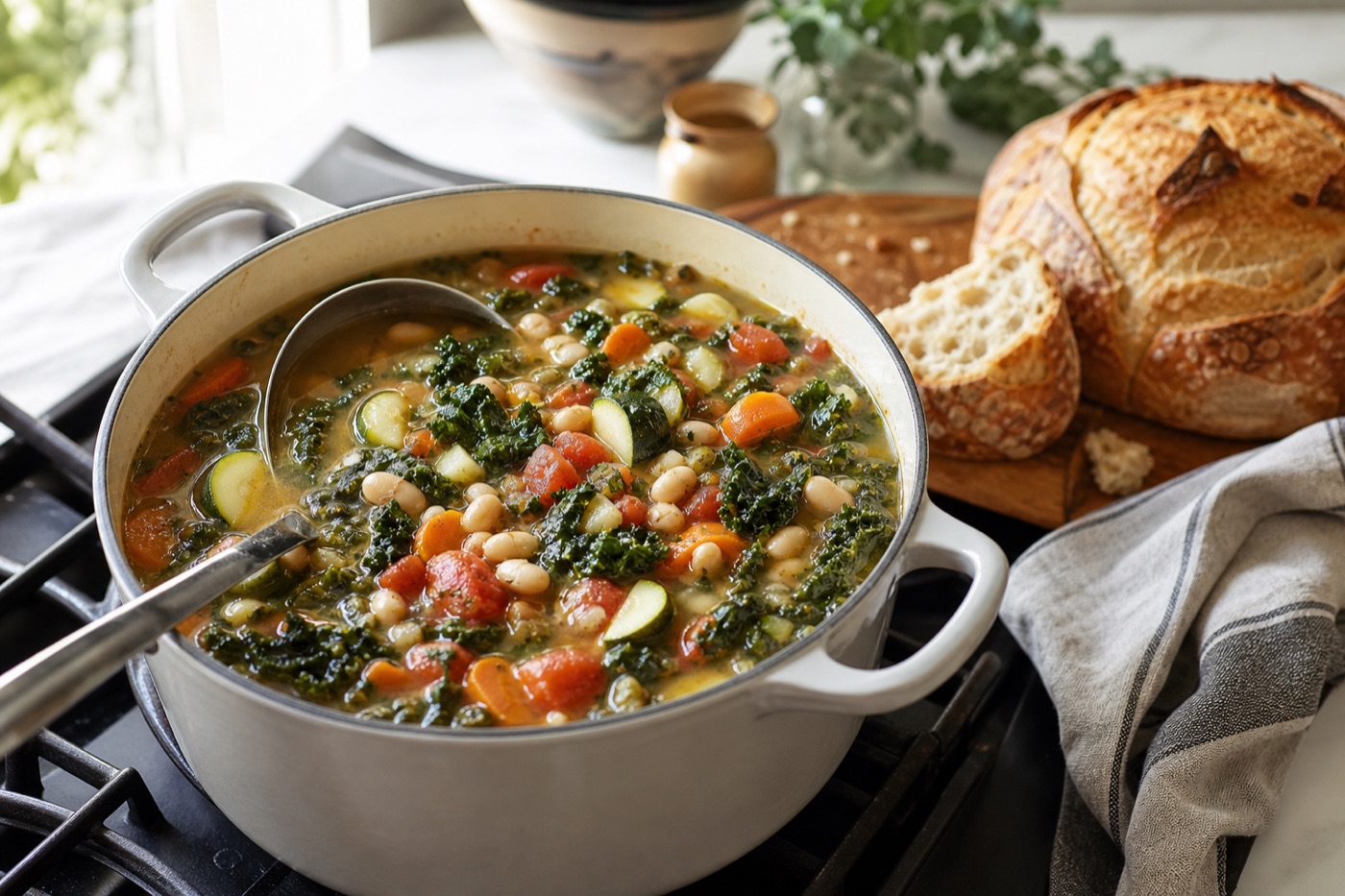
One pot of soup or stew can hold several kinds of vegetables at once. Here's a basic method, flavor combinations, sodium tips and how to store leftovers safely.
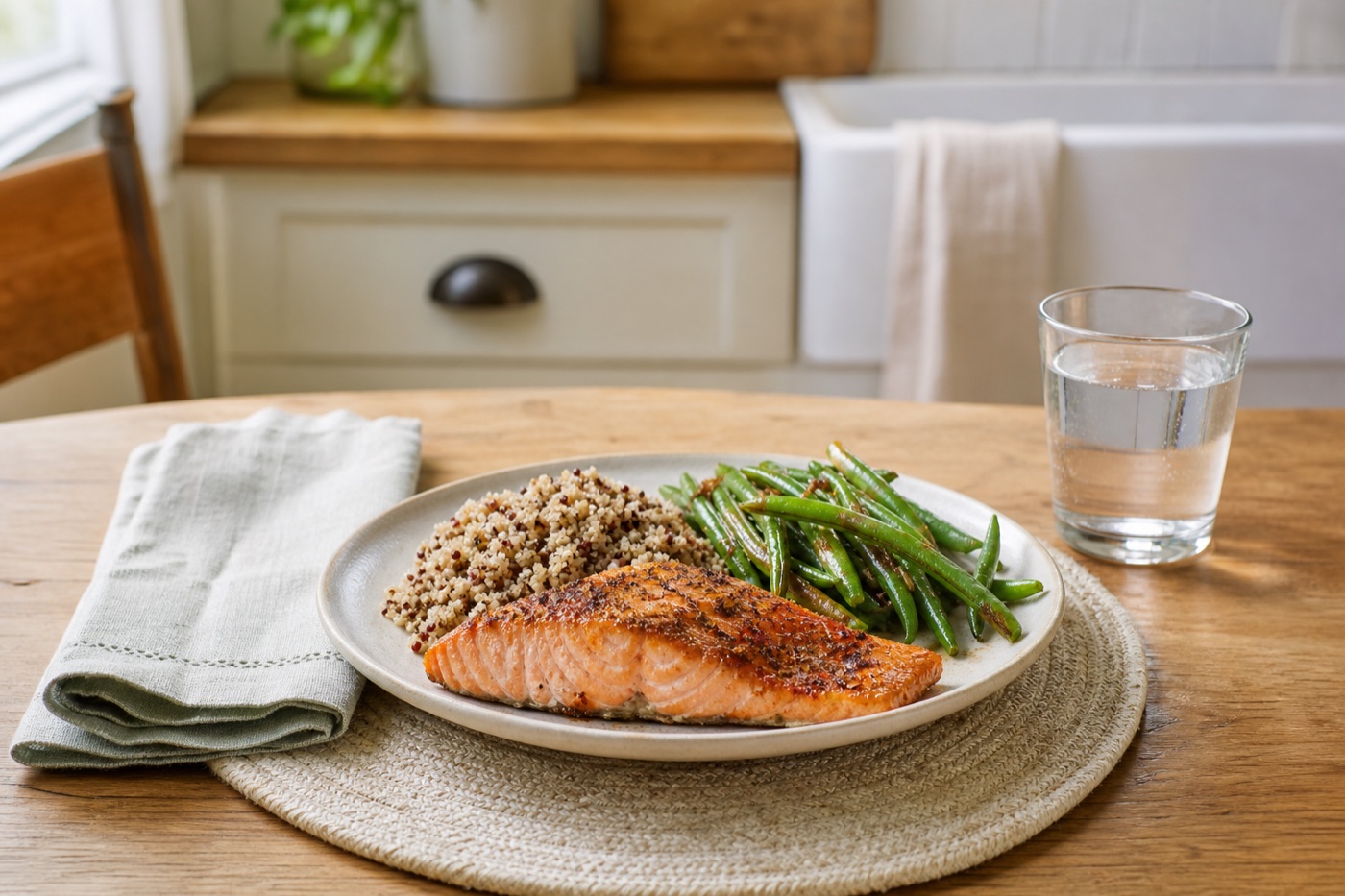
Cooking for one gets easier when you buy small, cook versatile components once, freeze single portions and keep a few quick meals that scale down well.
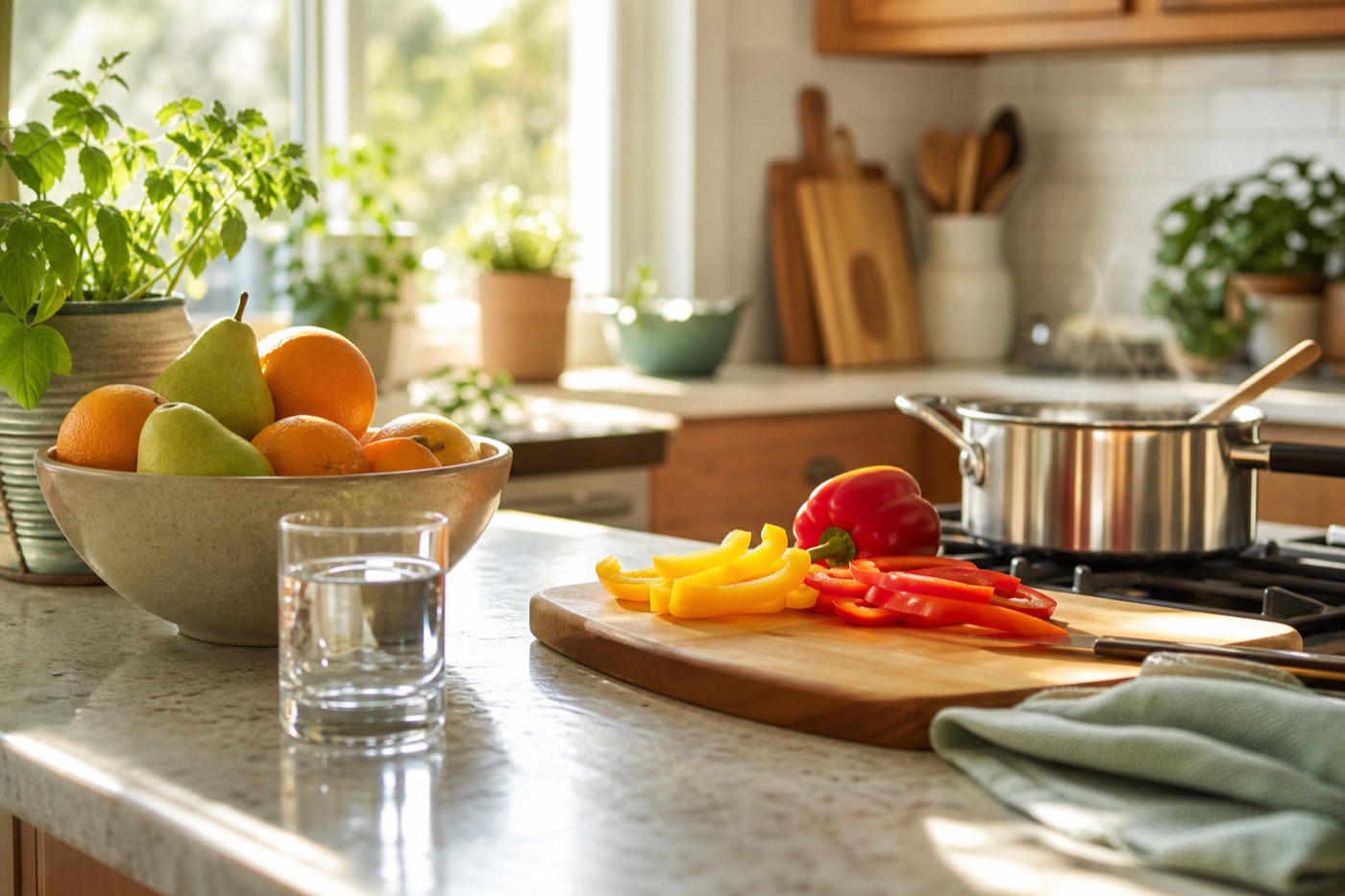
Working from home puts the kitchen a few steps away. Set meal times, plan a quick lunch, keep snacks out of sight and water in reach to eat well all day long.
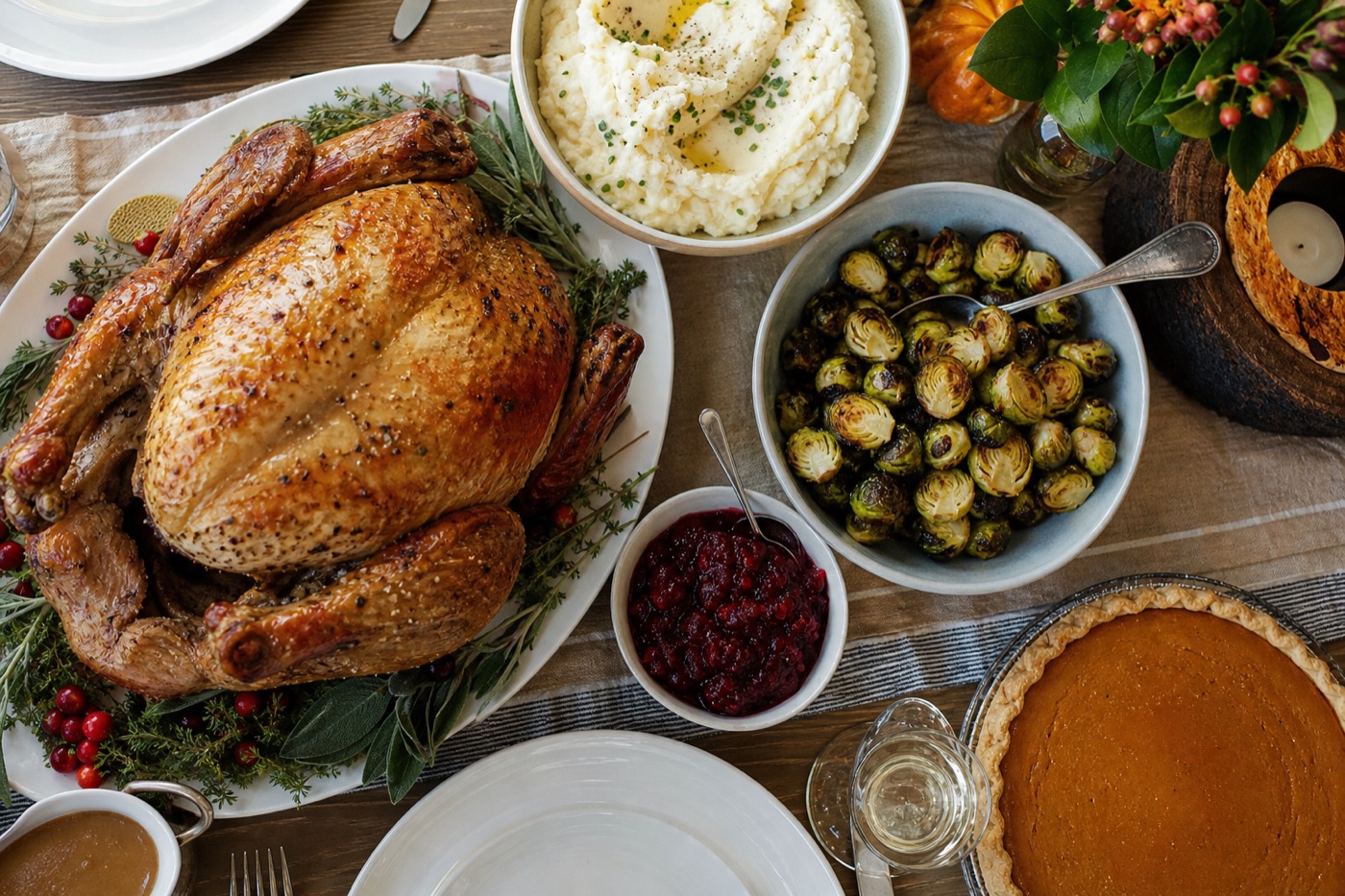
Enjoy holiday meals without overdoing it: eat normally that day, scan the spread first, savor your favorites, go easy on drinks and handle leftovers safely.
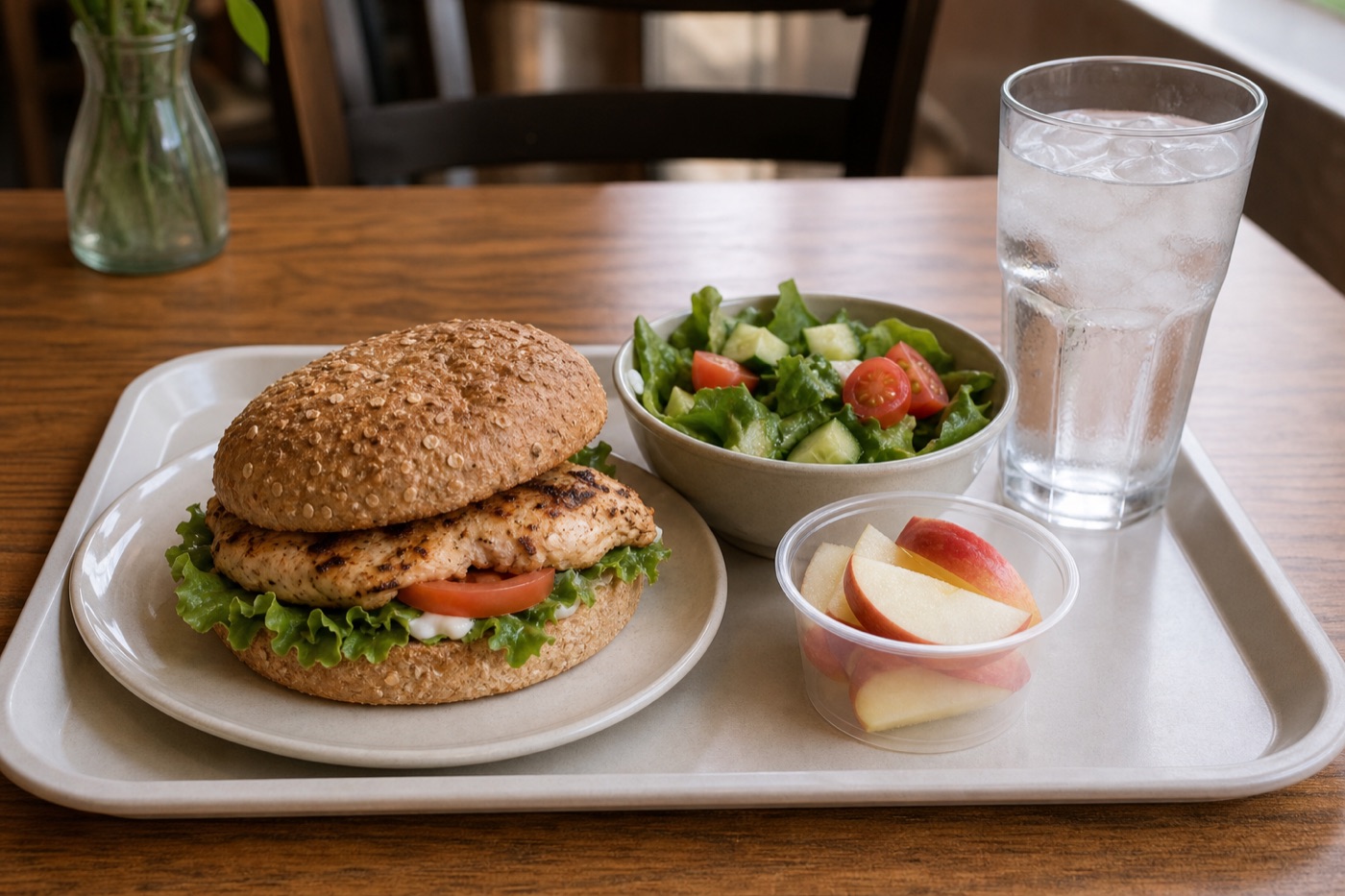
Eat better at fast-food restaurants: use the posted calories, choose grilled over fried, size down, skip sugary drinks and add a fruit or vegetable side.
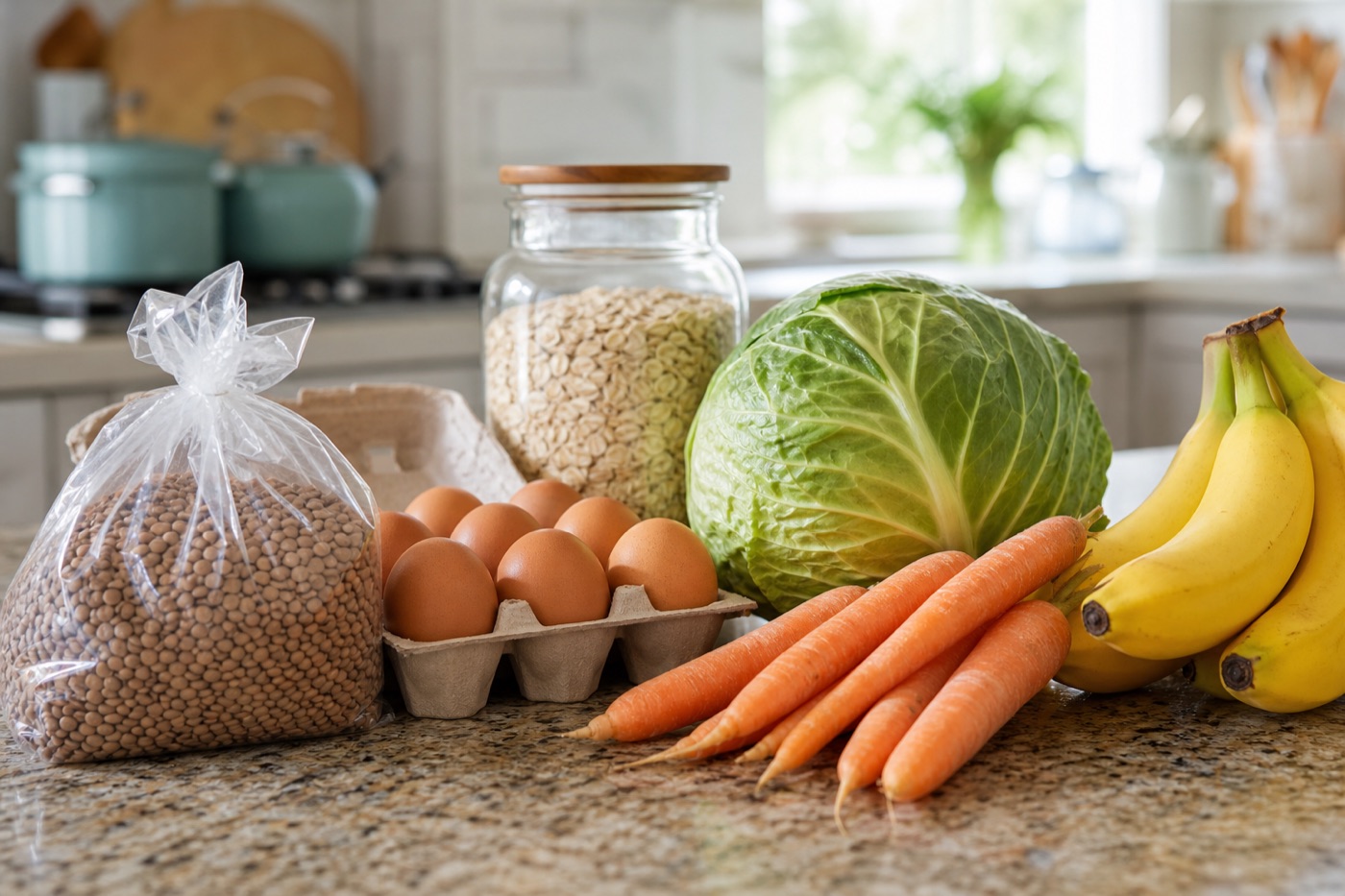
Dried beans, oats, eggs, frozen vegetables, canned fish and in-season produce are some of the cheapest nutritious foods. Here's how to shop and cook for less.
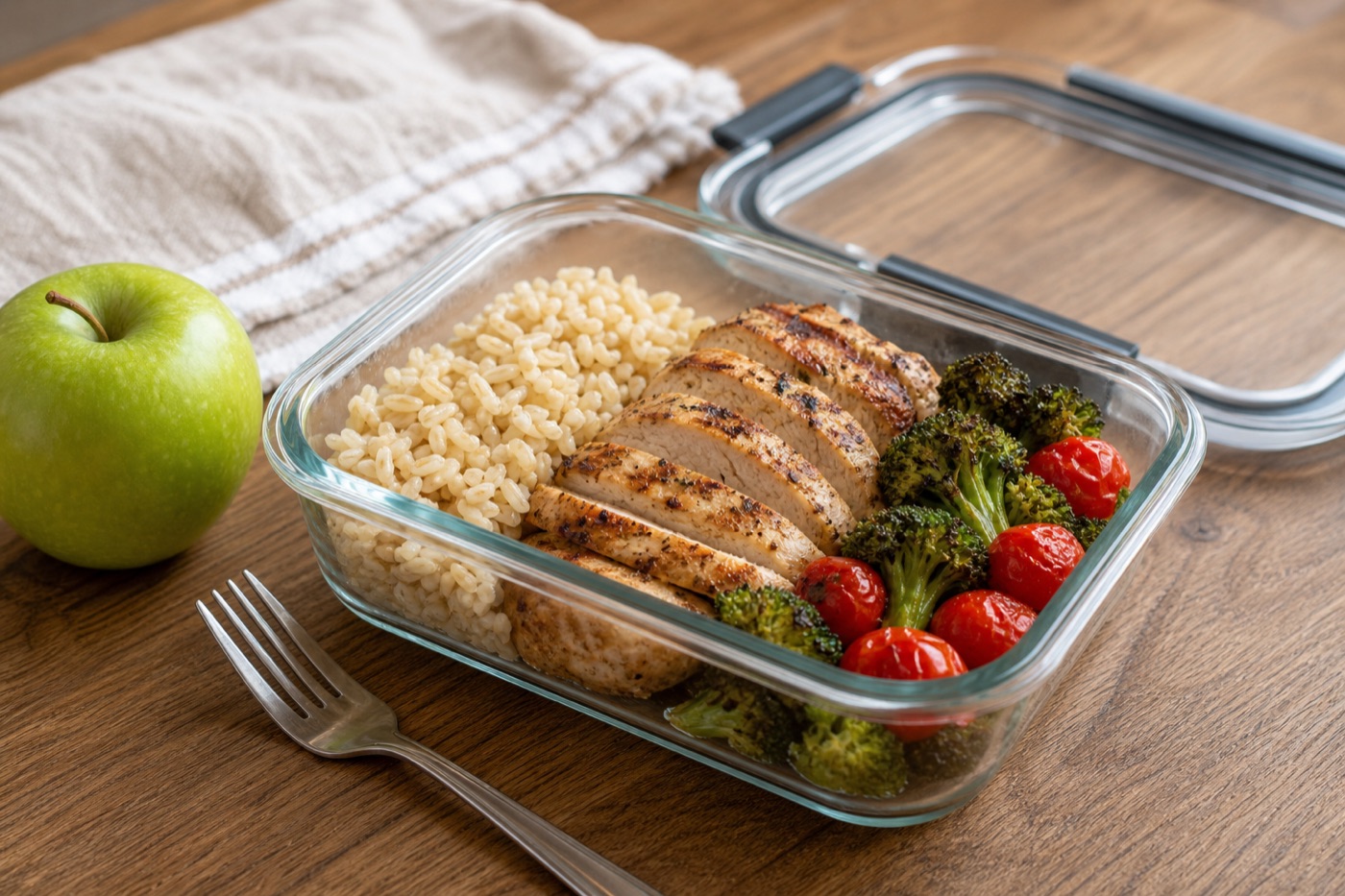
A work lunch that keeps you full pairs a protein with a whole grain and plenty of vegetables. Get packable ideas, food safety basics and a make-ahead routine.
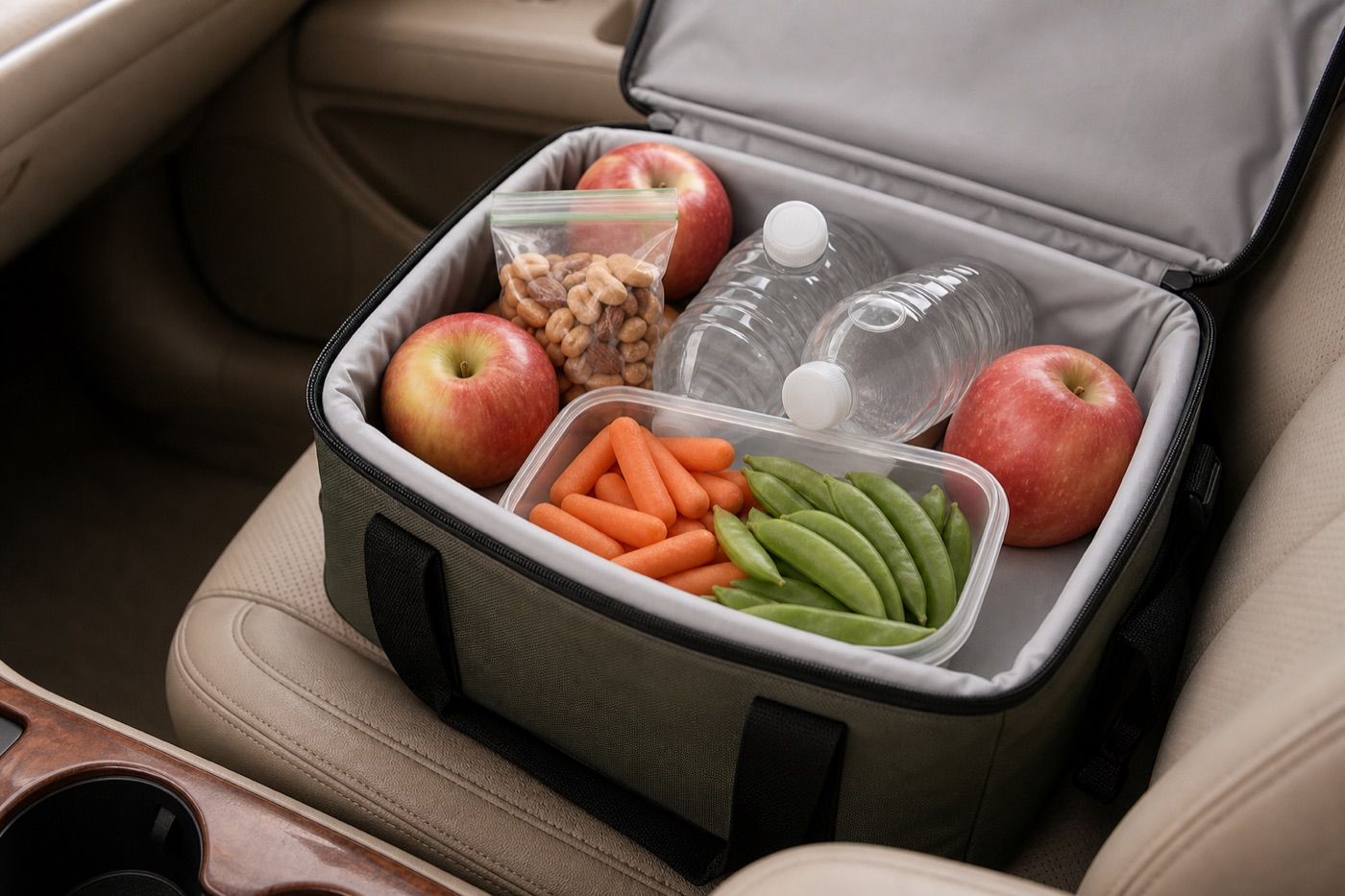
Eating well on the road is easier with packed snacks, smart picks at airports and rest stops, a hotel breakfast plan, water on hand and food safety in mind.
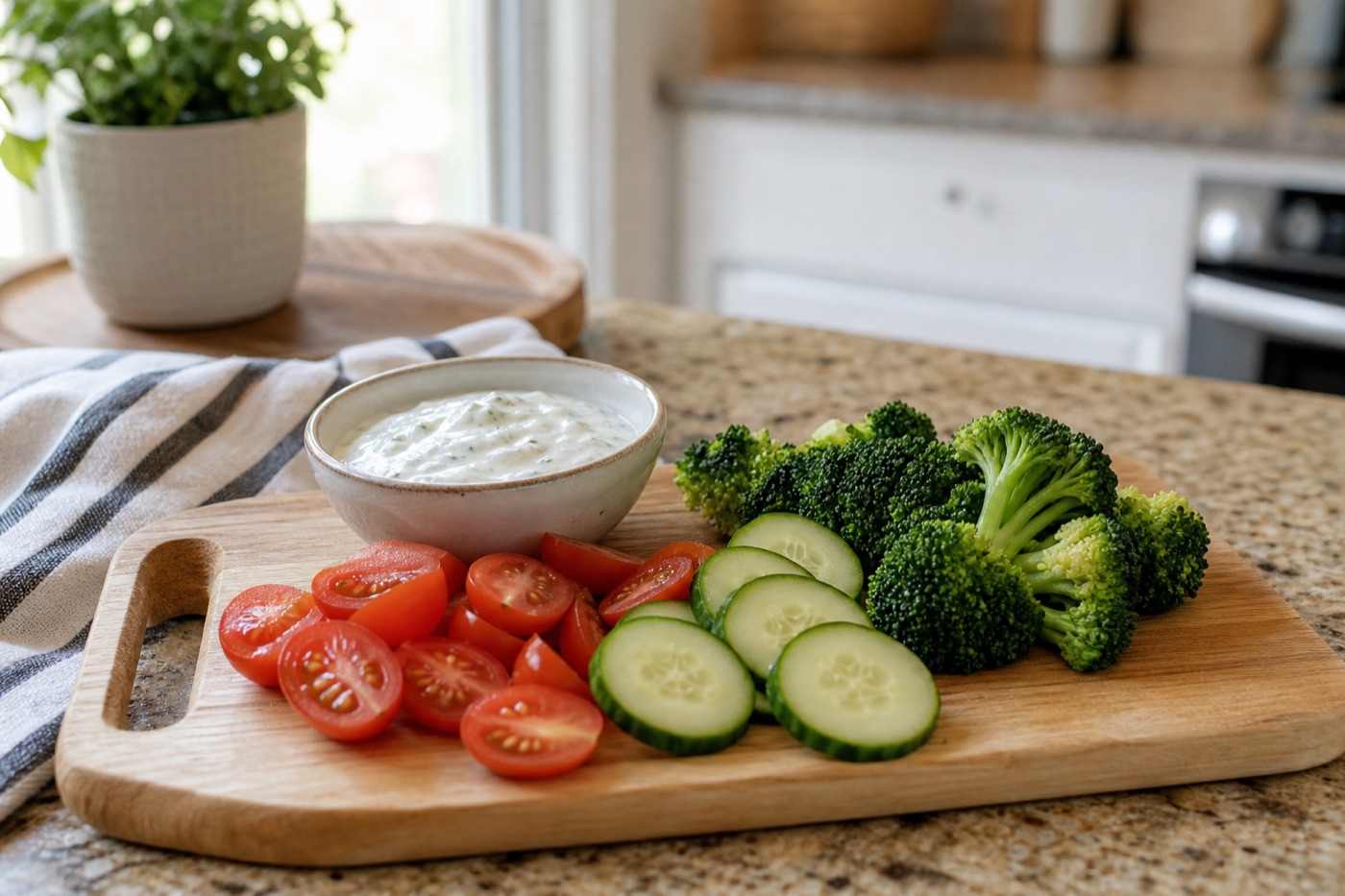
Kids eat more vegetables when they see them often, help cook them and feel no pressure at the table. Practical, age-by-age ways to make vegetables normal.
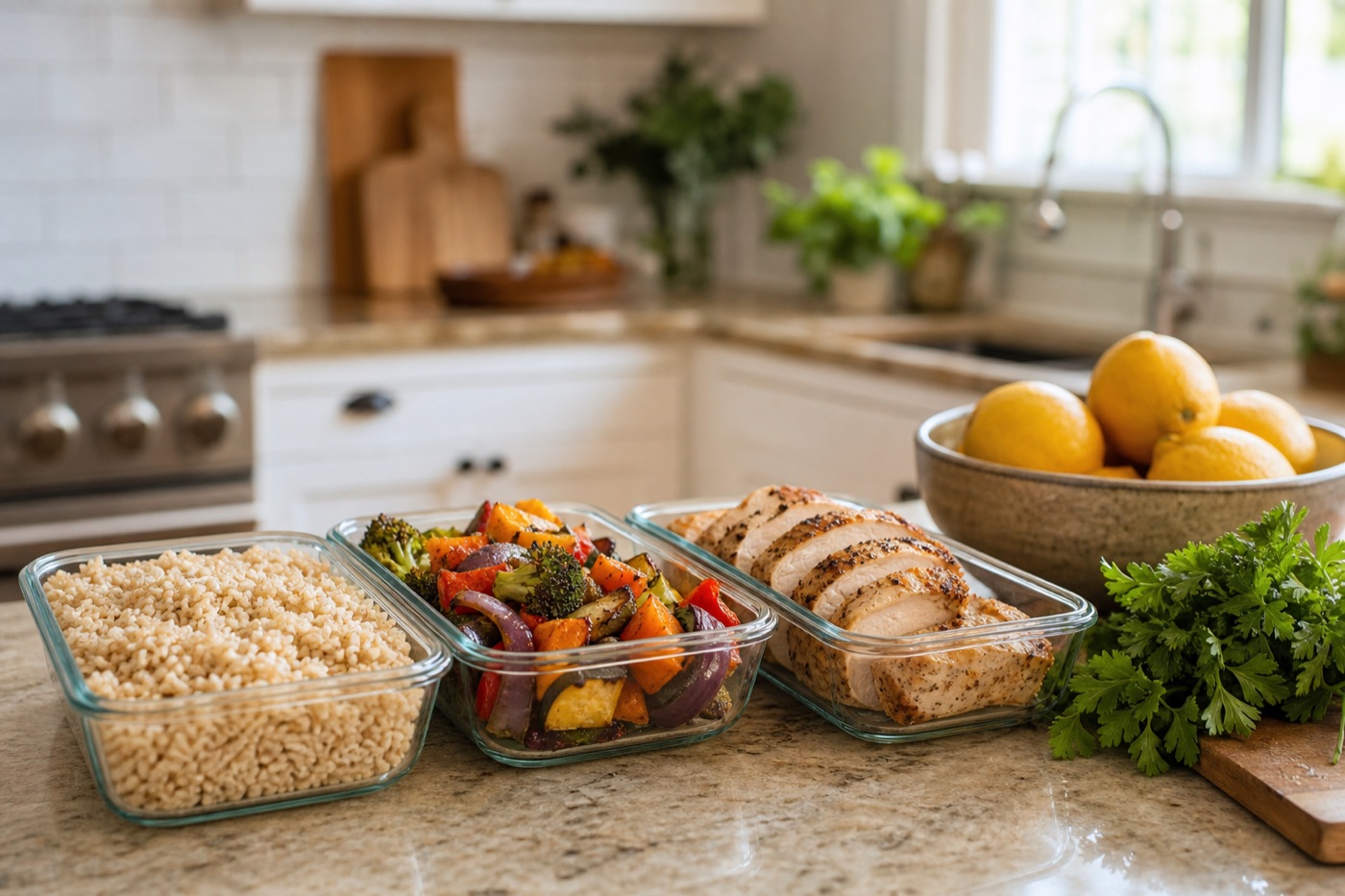
Plan a week of dinners: check your schedule, use what's already in your kitchen, pick theme nights, cook extra on purpose and shop from a single list.
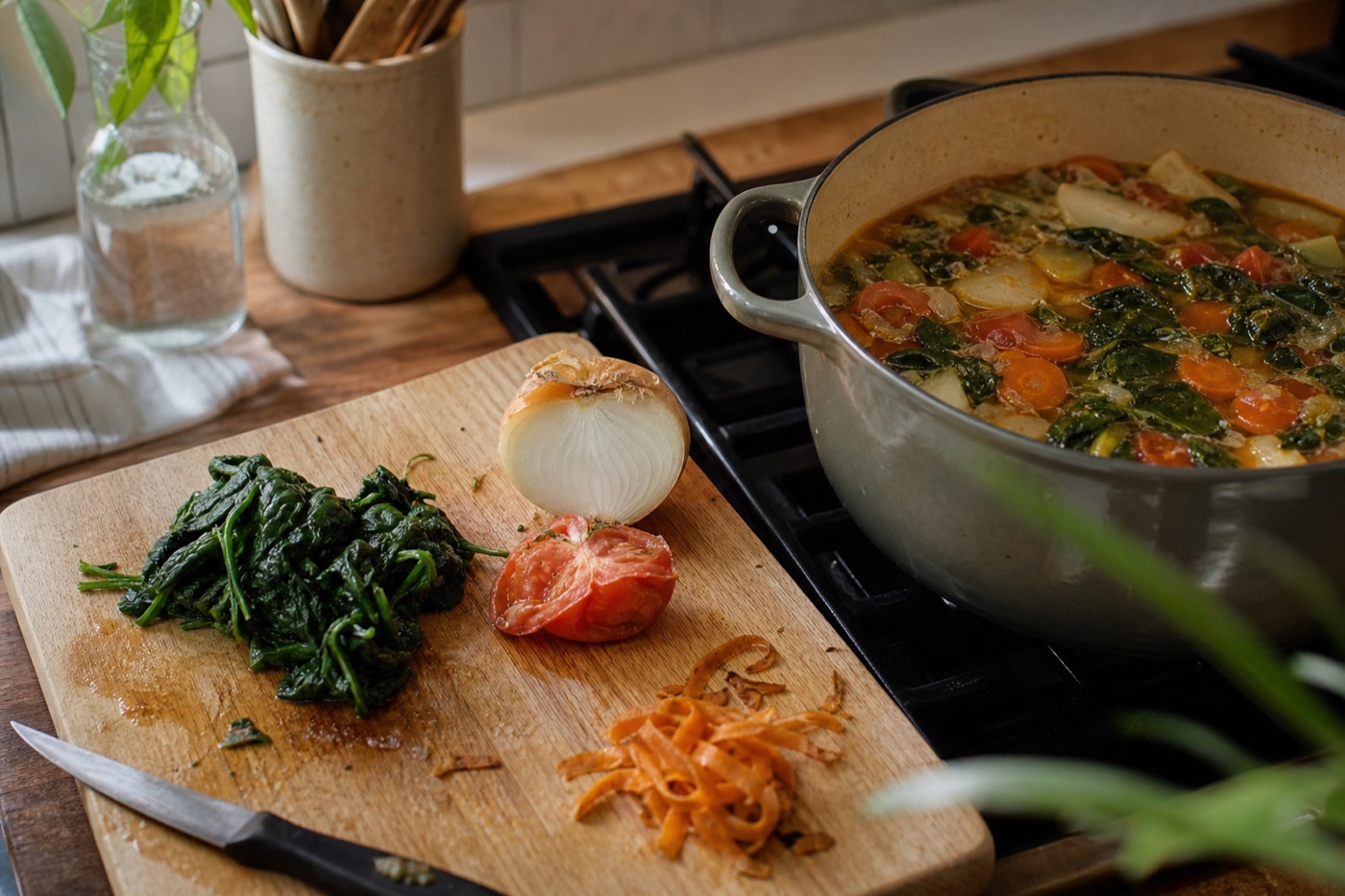
Cut food waste at home by shopping with a plan, reading date labels correctly, storing food at the right temperature and turning leftovers into new meals.
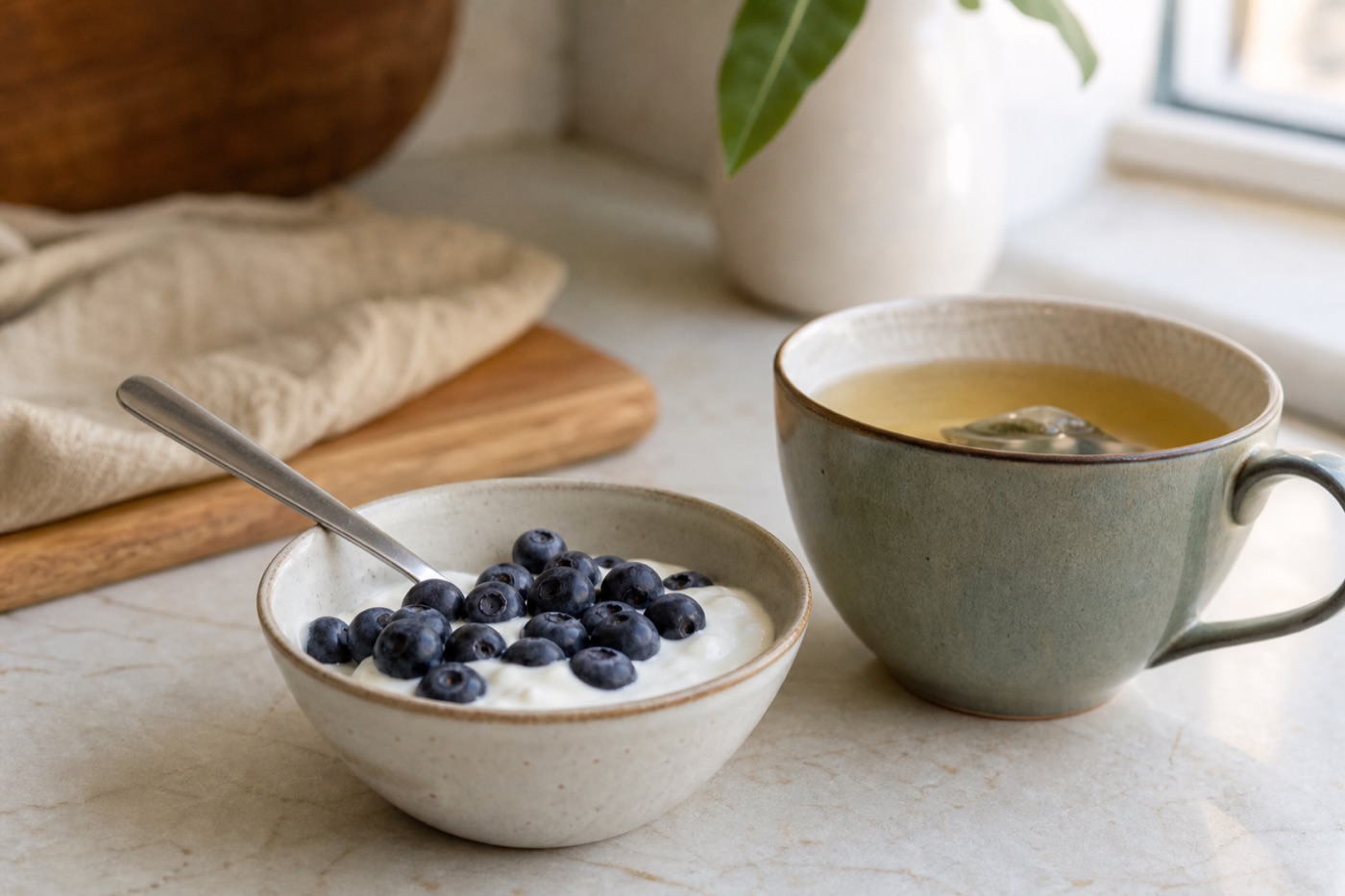
Late-night snacking often follows a light day of eating, stress, habit or fatigue. Eating enough earlier, a planned snack and a wind-down routine help.
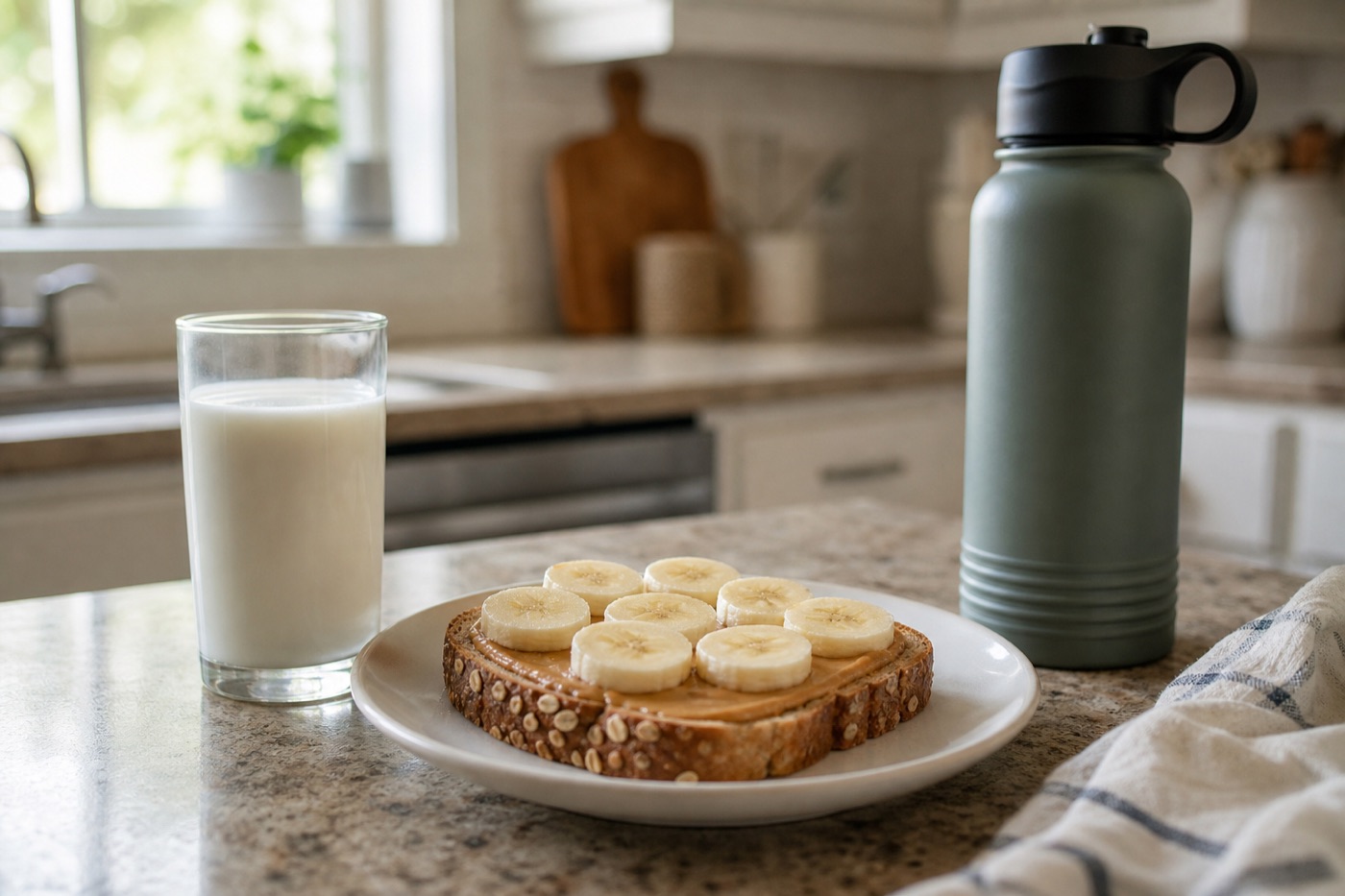
Before exercise, eat easy carbs with some protein one to four hours ahead; afterward, pair carbs and protein within a couple of hours. Timing and snack ideas.

Alcohol has about 7 calories per gram, and a standard drink carries roughly 100 calories before mixers. What federal guidance says, and who shouldn't drink.
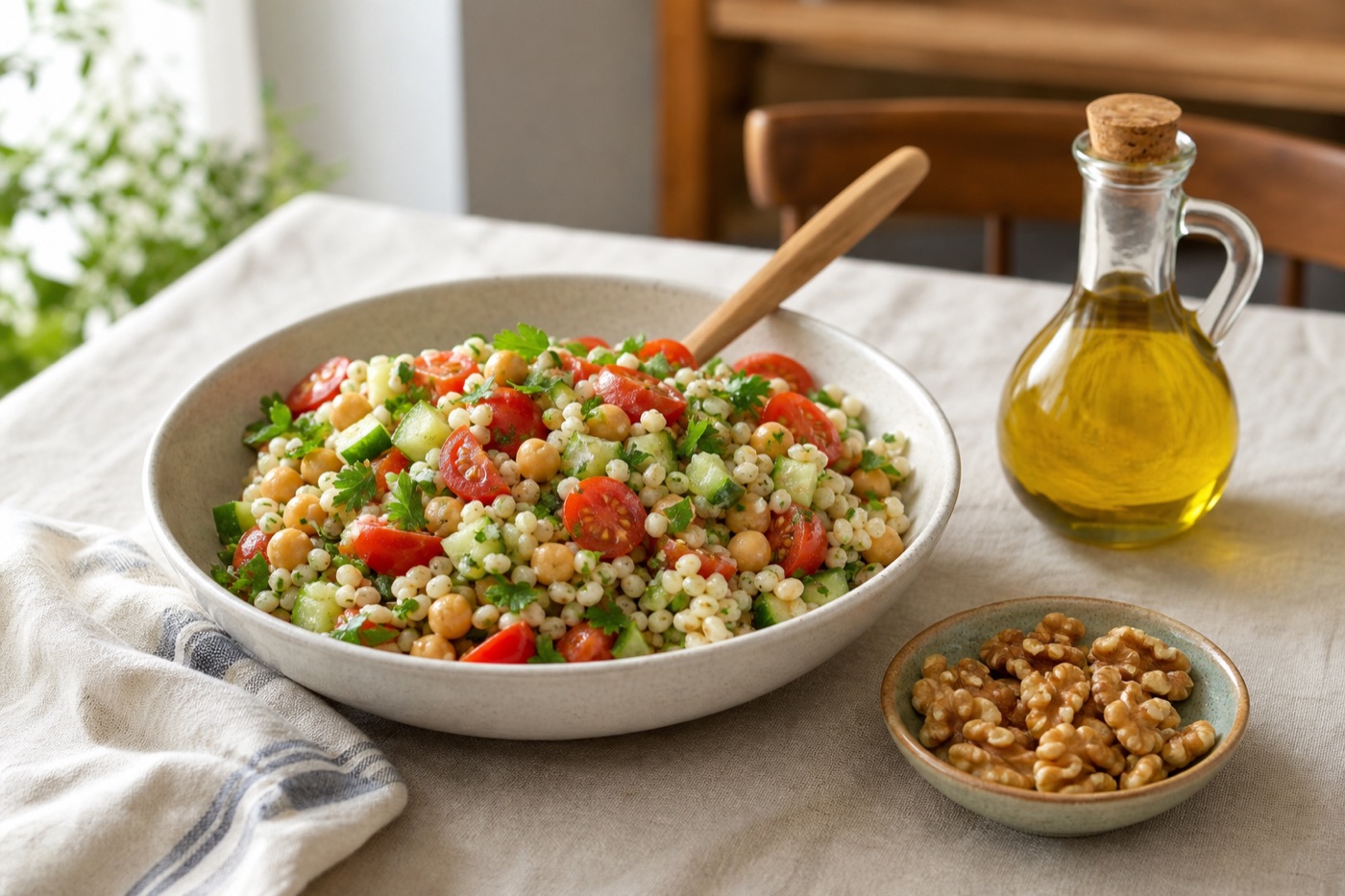
A heart-healthy diet centers on vegetables, fruit, whole grains, beans, nuts and fish, with less sodium, saturated fat and added sugar. Here's how to build it.
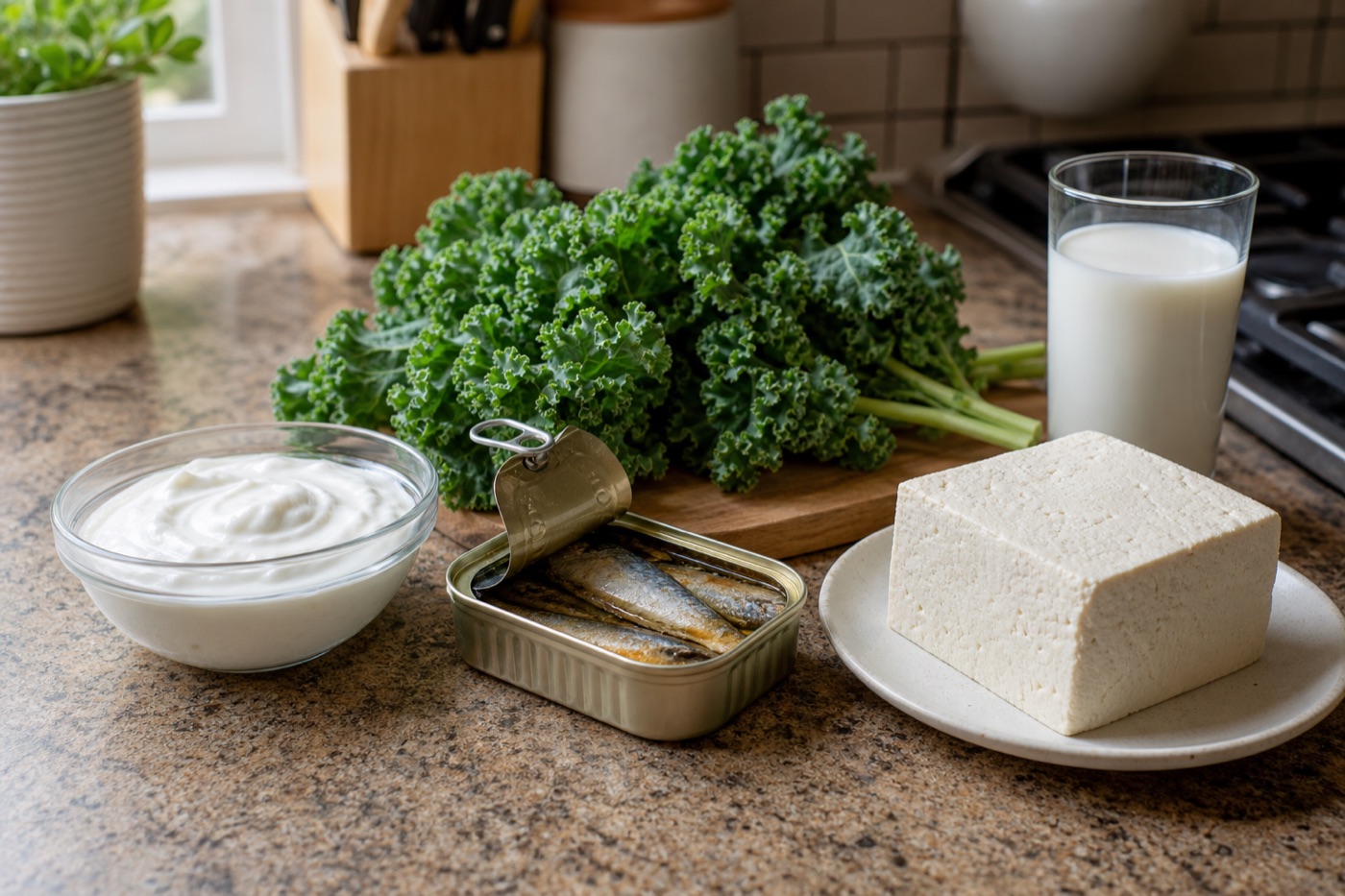
Strong bones need calcium, vitamin D, protein, plenty of produce and weight-bearing exercise at every age. Here's how much you need and where to get it.
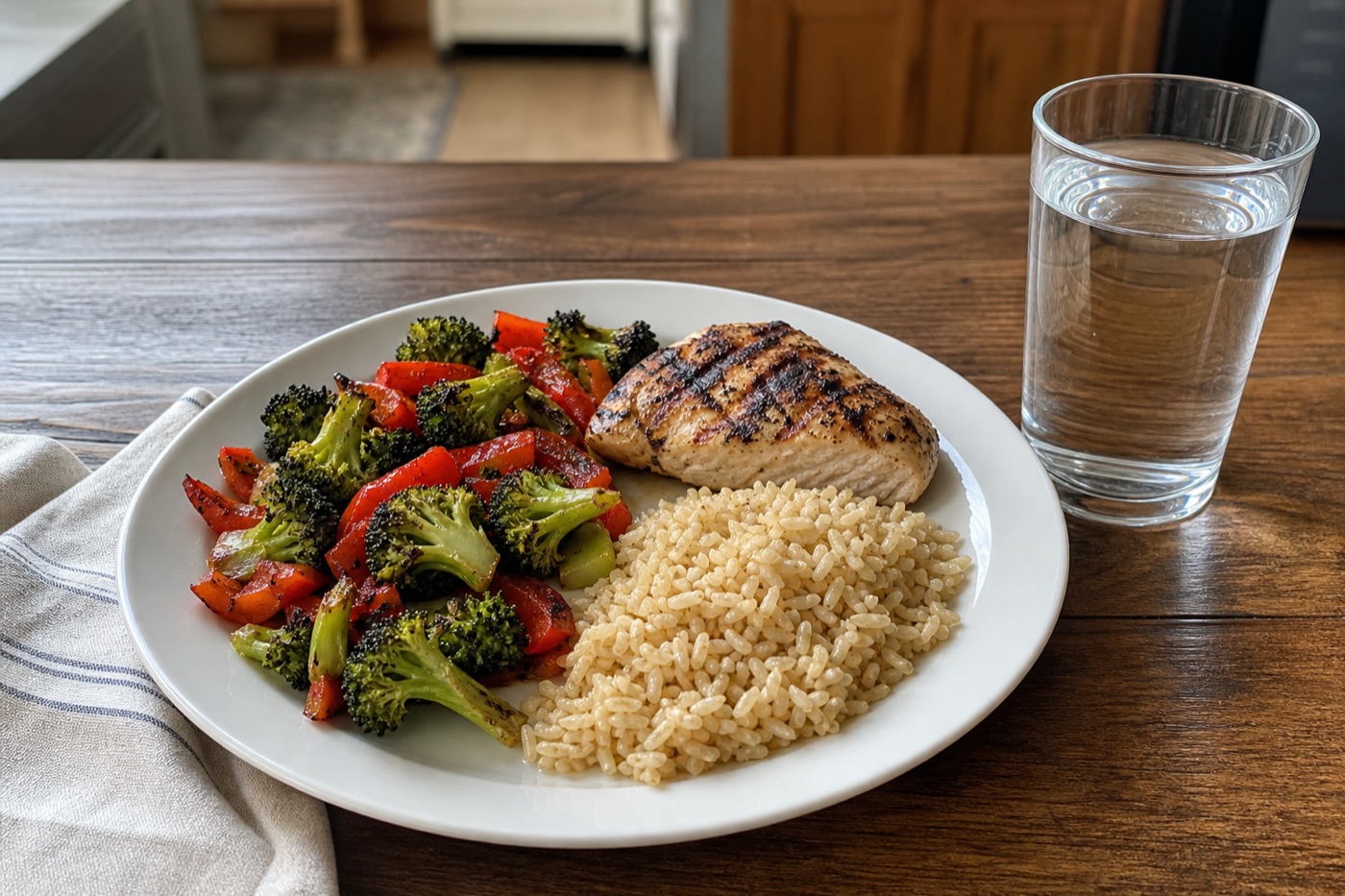
To keep blood sugar steady, fill half your plate with non-starchy vegetables, pick high-fiber carbs, pair them with protein and eat at regular times.
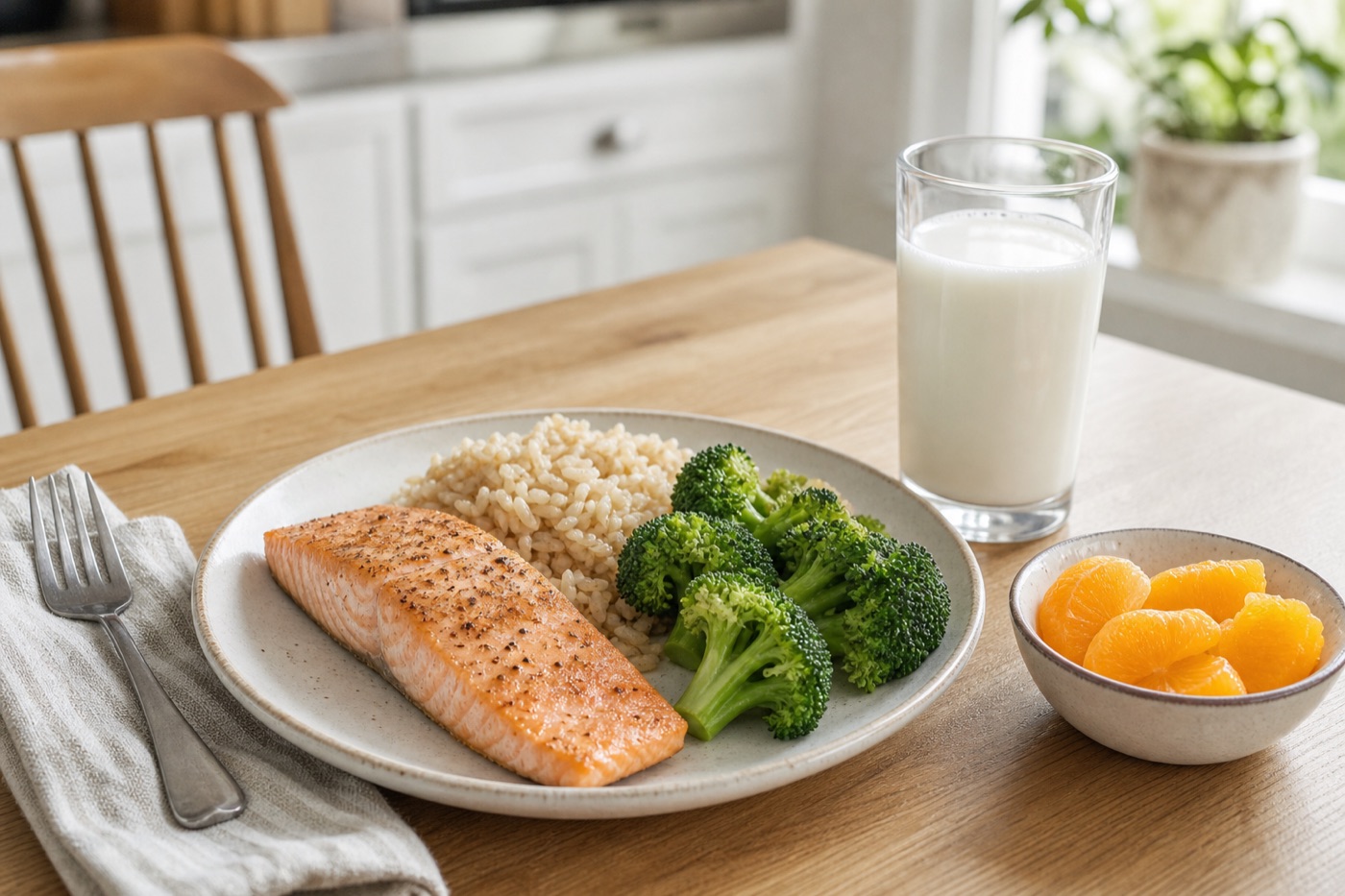
In pregnancy you need extra folic acid, iron, calcium and iodine, a few hundred extra calories later on, low-mercury fish, careful food handling and no alcohol.
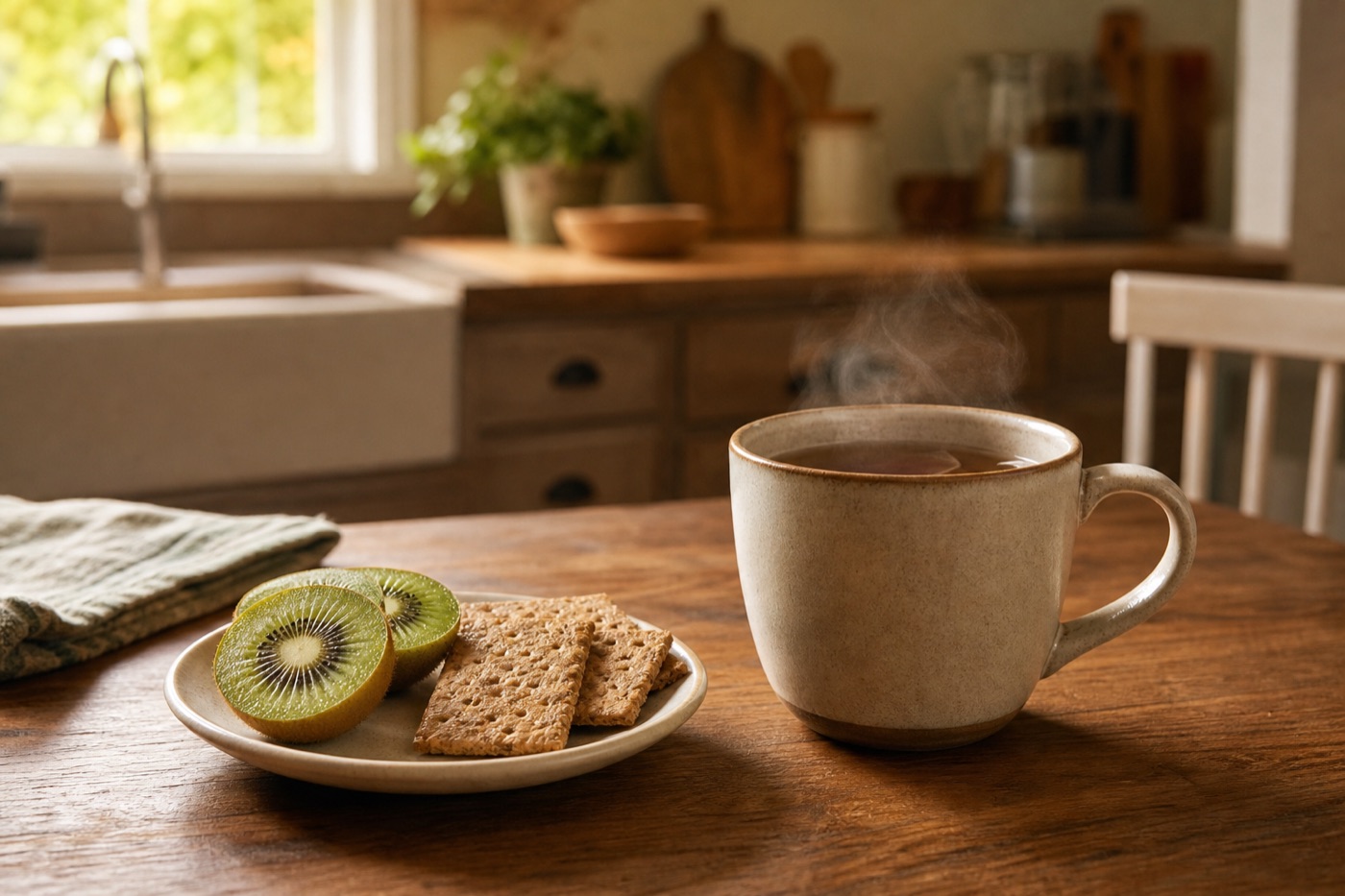
Caffeine late in the day, alcohol and big or spicy meals near bedtime are the main food habits that hurt sleep. Regular meals and a light snack can help.
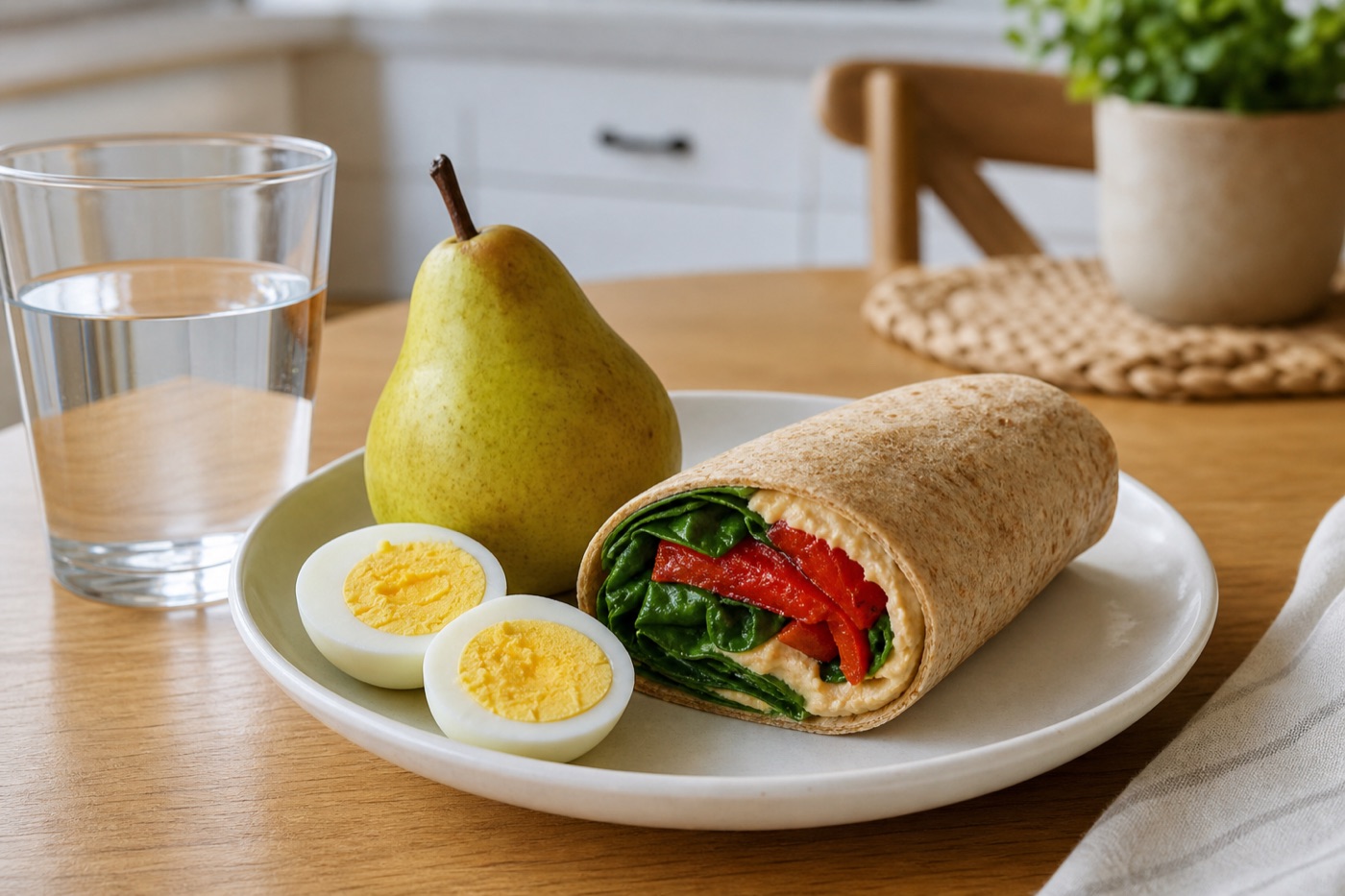
Steady energy comes from regular meals that pair fiber-rich carbs with protein and some fat, plus enough fluids, iron and B12. Here are the foods that help.
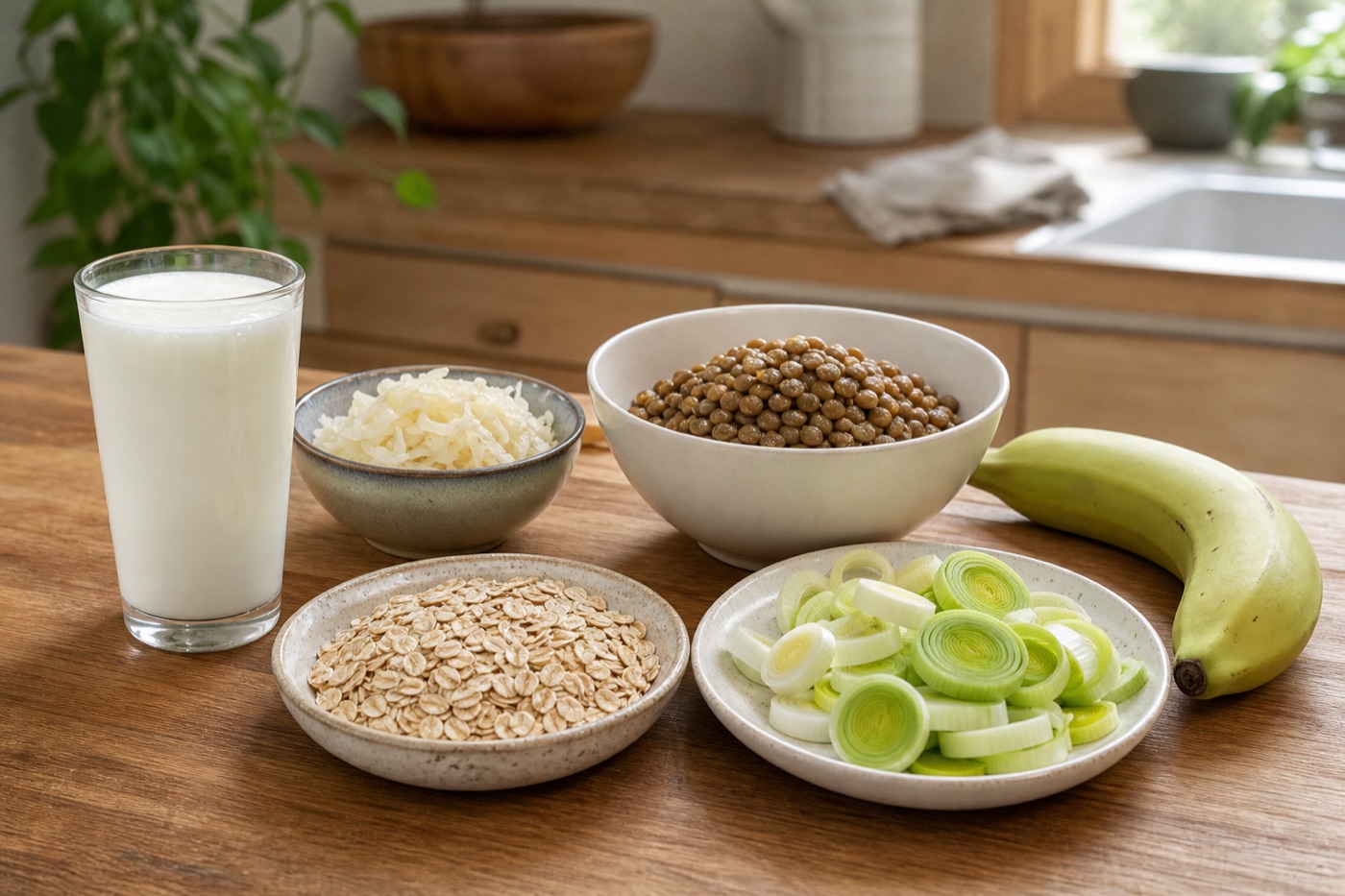
Fiber-rich plant foods and fermented foods like yogurt, kefir and sauerkraut support a healthy gut. What to eat, how much fiber you need and how to add it.
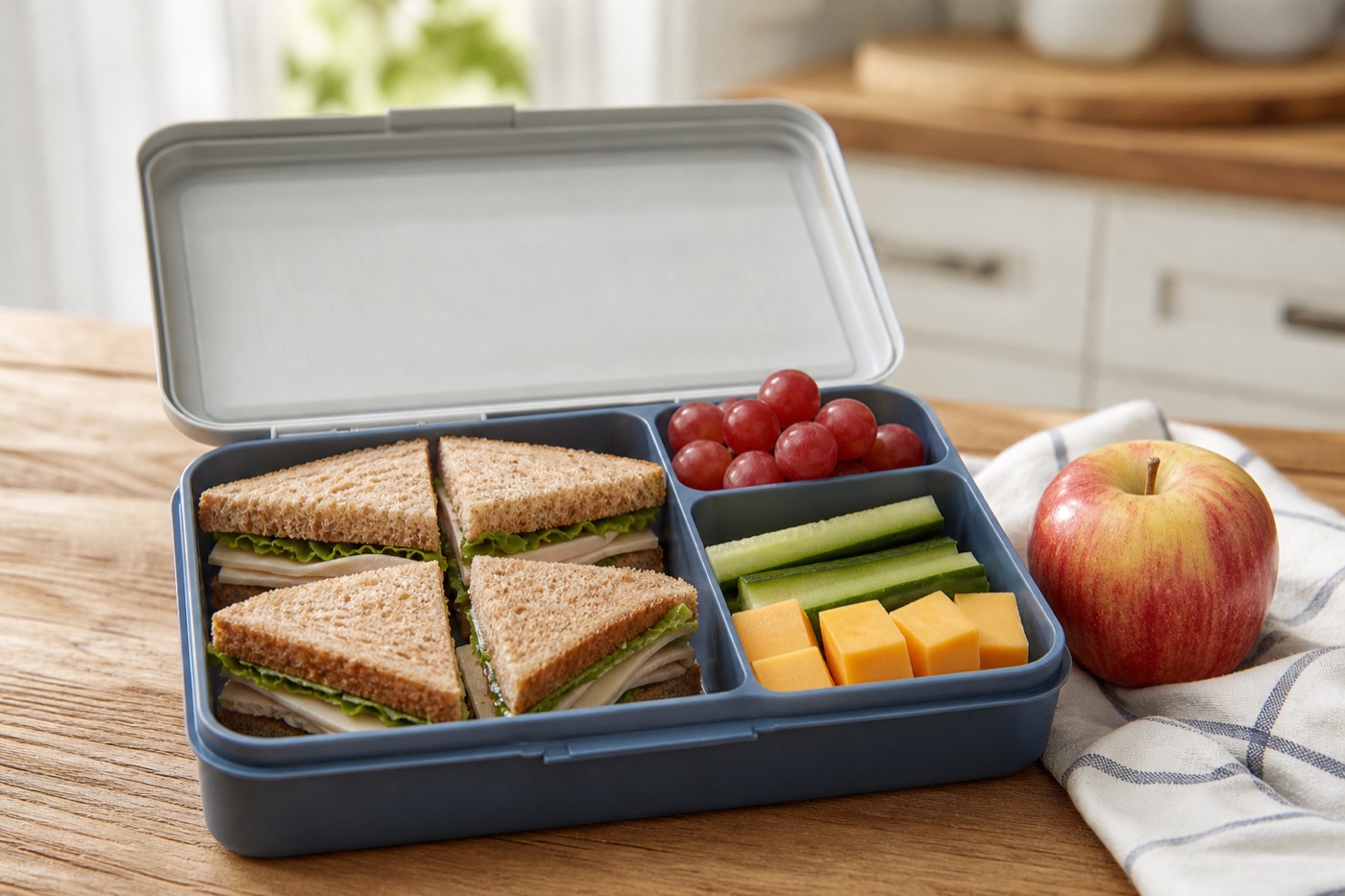
School-age kids do best with regular meals and snacks from every food group, water and milk as the main drinks, and little added sugar. A guide for parents.
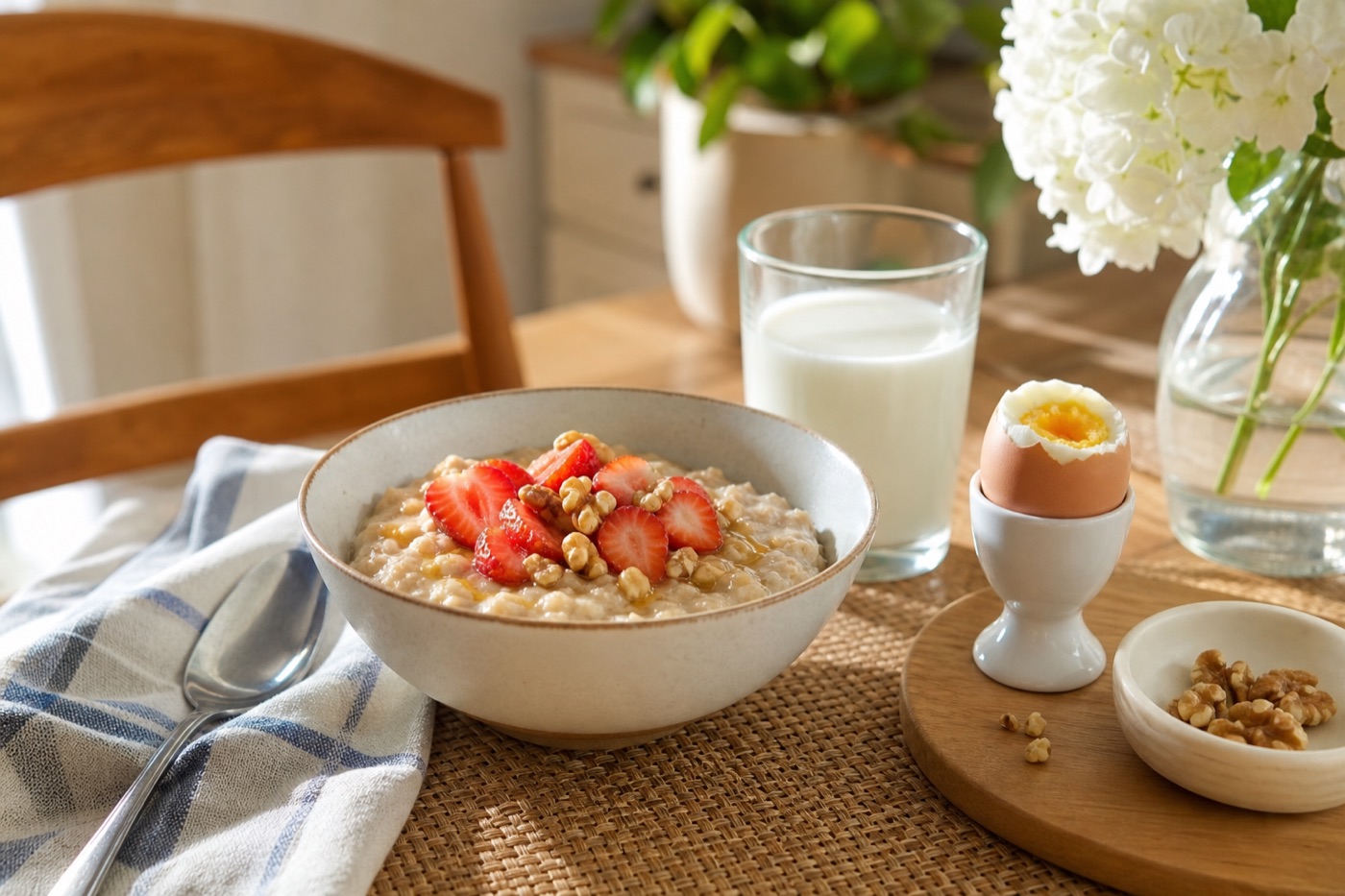
After 60 you may need fewer calories but just as many nutrients, with more focus on protein, calcium, vitamin D, B12, fiber and fluids. Here's what to eat.
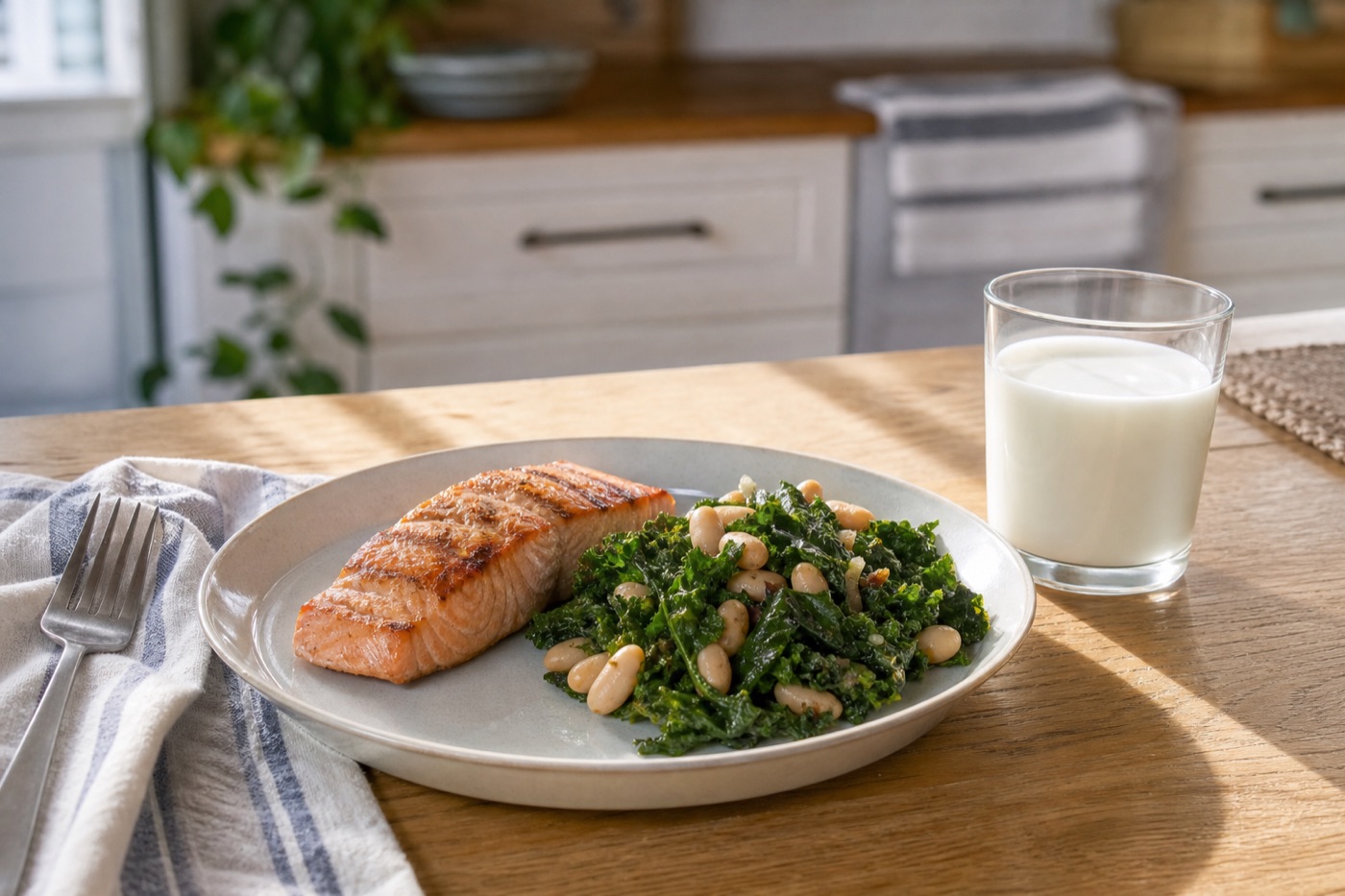
Around menopause, bone and heart health become priorities. Focus on calcium, vitamin D, protein, fiber and unsaturated fats, and keep an eye on alcohol.
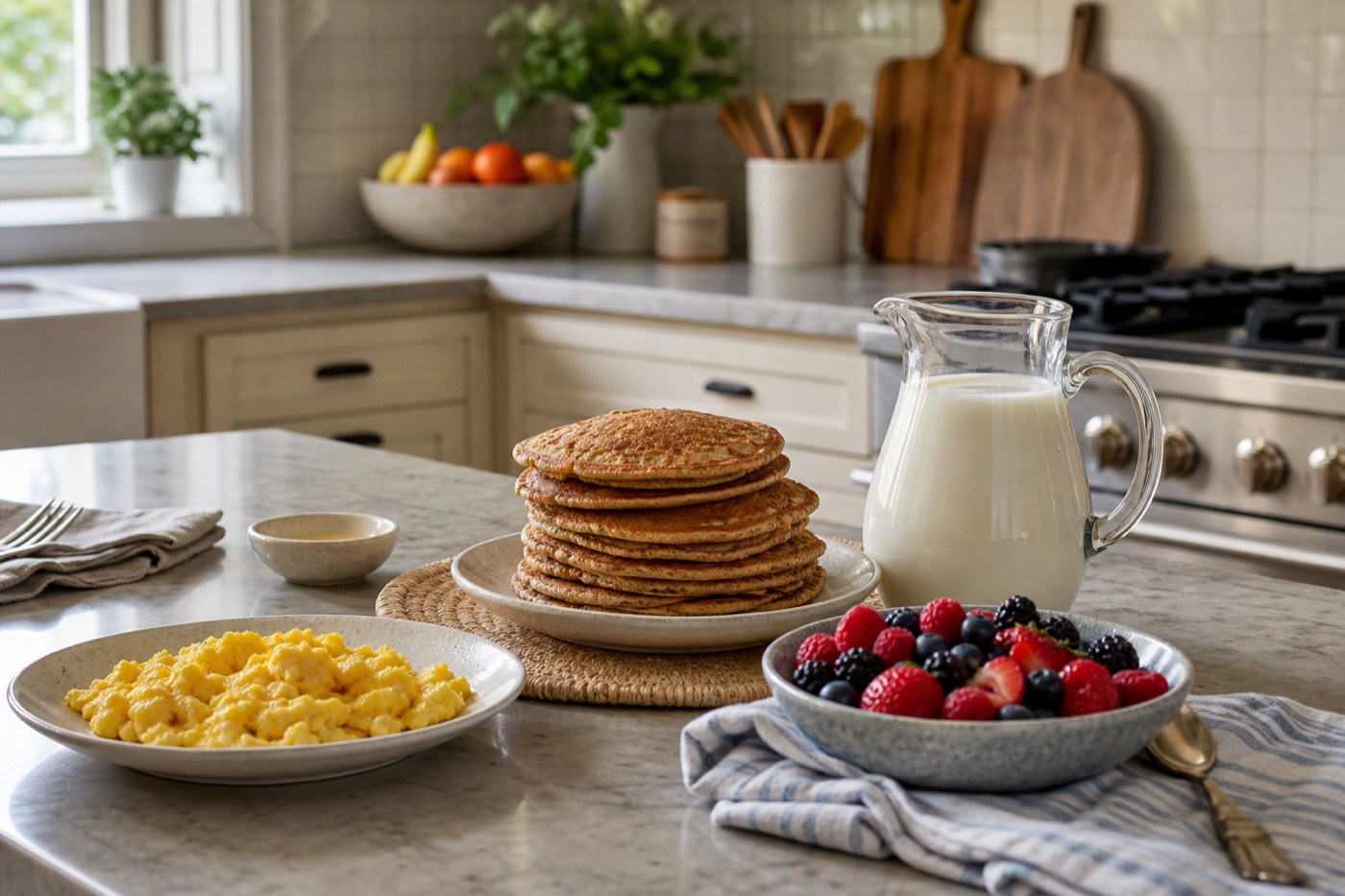
Teens need more calcium, iron, protein and energy than at almost any other age. Learn the key nutrients, everyday meal habits and red flags to watch for.